

Concierge Insurance.
From Start to Claim™
ATV insurance helps protect your all-terrain vehicle from financial losses caused by accidents, theft, vandalism, fire, and other covered events. In addition to protecting your ATV, a policy can also provide liability coverage if you're responsible for injuring another person or damaging their property while riding.
Whether you use your ATV for recreation, hunting, farming, or work around your property, specialized insurance can help protect both your investment and your financial future.
ATV insurance is available for many types of all-terrain vehicles, including sport ATVs, utility ATVs, four-wheelers, youth ATVs, and recreational off-road vehicles. Popular brands such as Polaris, Honda, Yamaha, Can-Am, Kawasaki, Suzuki, Arctic Cat, and CFMOTO can often be insured under a specialized ATV insurance policy.
Your insurance agent can help you select coverage based on the type of ATV you own and how you use it.
ATV insurance may include liability coverage, collision coverage, comprehensive coverage, uninsured and underinsured motorist protection, medical payments, towing, trailer coverage, and optional protection for custom accessories and riding gear.
The exact coverages available depend on the insurance company and the policy you choose.
Virginia generally does not require ATV insurance when the vehicle is operated exclusively on private property. However, insurance may be required if the ATV is financed or operated on certain public lands, parks, organized riding areas, or private property where proof of insurance is required.
Even when insurance isn't legally required, it provides valuable financial protection against accidents, theft, and liability claims.
Some homeowners insurance policies provide limited coverage for an ATV while it is stored on your property, but coverage is often restricted and generally does not apply while the ATV is being ridden away from your residence. Liability coverage may also be limited or excluded.
A dedicated ATV insurance policy offers broader protection for both your vehicle and your liability wherever you're legally riding.
Yes. Comprehensive coverage generally protects your ATV if it is stolen or damaged by theft, vandalism, fire, falling objects, or certain weather-related events. Coverage is subject to your policy's deductible and limits.
Keeping your ATV in a locked garage or storage building and using anti-theft devices can help reduce the risk of theft and may qualify you for insurance discounts.
Many insurance companies offer optional coverage for aftermarket wheels, tires, winches, lift kits, bumpers, cargo racks, plows, lighting systems, sound systems, hunting accessories, and other custom equipment. Standard policies may provide only limited coverage for these upgrades.
If you've customized your ATV, be sure to discuss those modifications with your insurance agent to ensure they're properly insured.
Insurance companies consider several factors when determining your premium, including the ATV's make, model, engine size, value, rider experience, age, claims history, storage location, annual usage, coverage limits, and deductible.
Safe riding habits, secure storage, and bundling your ATV insurance with other policies may help lower your insurance costs.
Yes. Many insurance companies offer discounts when you insure your ATV along with your auto, homeowners, motorcycle, boat, RV, UTV, or umbrella insurance policies. Bundling your insurance can simplify policy management while reducing your overall insurance costs.
An independent insurance agency can compare multiple insurance companies to help you maximize available discounts.
You should review your ATV insurance at least once each year and whenever significant changes occur. Purchasing a new ATV, adding expensive accessories, changing where you ride, moving to a new home, or increasing the value of your ATV may all affect your insurance needs.
An annual insurance review helps ensure your ATV remains properly protected while identifying opportunities for additional coverage and available premium savings.
Virginia law requires drivers to carry minimum liability insurance before operating a vehicle on public roads. As of July 1, 2025, the minimum liability limits are $50,000 for bodily injury per person, $100,000 for bodily injury per accident, and $25,000 for property damage per accident. Virginia also requires uninsured and underinsured motorist coverage in the same amounts unless otherwise permitted by law.
While these limits satisfy the state's legal requirements, many drivers choose higher limits to better protect their assets after a serious accident.
A Virginia auto insurance policy may include liability coverage, collision coverage, comprehensive coverage, uninsured and underinsured motorist protection, medical expense coverage, rental reimbursement, roadside assistance, and towing coverage. The exact protections depend on the policy you choose.
Drivers who finance or lease their vehicles are usually required by their lender to carry both collision and comprehensive coverage.
Virginia is an at-fault, or tort, state. This means the driver who causes an accident is generally responsible for paying for the damages resulting from the collision. If another driver is at fault, their liability insurance typically pays for injuries and property damage up to the limits of their policy.
Having adequate liability limits can help protect your finances if you're found responsible for a serious accident.
Insurance companies consider many factors when calculating your premium, including your driving history, age, location, type of vehicle, annual mileage, credit-based insurance score where permitted, claims history, coverage limits, and deductible selections.
Maintaining a clean driving record, bundling policies, and choosing an appropriate deductible can often help lower your premium.
In many cases, your existing auto insurance policy extends liability, collision, and comprehensive coverage to a temporary rental vehicle used for personal purposes. However, coverage varies depending on your policy and the type of vehicle being rented.
Before declining coverage offered by a rental car company, it's a good idea to review your policy with your insurance agent.
For many drivers, carrying only Virginia's minimum liability limits may not provide enough financial protection. Medical expenses, vehicle repairs, and legal judgments can quickly exceed minimum coverage after a serious accident.
Higher liability limits are often relatively affordable and can help protect your savings, home, future earnings, and other assets.
Uninsured and underinsured motorist coverage helps protect you if you're injured by a driver who has no insurance or not enough insurance to pay for your damages. This coverage may also help pay for injuries suffered by passengers in your vehicle.
Because not every driver carries adequate insurance, this coverage provides valuable financial protection for Virginia motorists.
It depends. Insurance companies evaluate several factors, including who was at fault, the severity of the accident, previous claims, and your overall driving history. Not every accident results in a premium increase.
Many insurers also offer accident forgiveness programs that may prevent your first qualifying accident from affecting your premium.
Many insurance companies offer discounts for bundling home and auto insurance, maintaining a safe driving record, insuring multiple vehicles, completing approved defensive driving courses, having anti-theft devices, paying your premium in full, or enrolling in paperless billing.
Each insurance company offers different discounts, so comparing multiple carriers can help you find the best value.
It's a good idea to review your auto insurance at least once each year and whenever you experience a major life event. Purchasing a new vehicle, adding a teenage driver, moving to a new address, getting married, or changing your commute can all affect your insurance needs.
A yearly insurance review can help ensure you're receiving all available discounts and carrying the right amount of protection for your current situation.
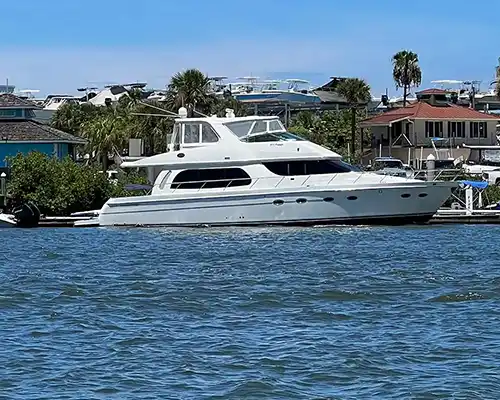
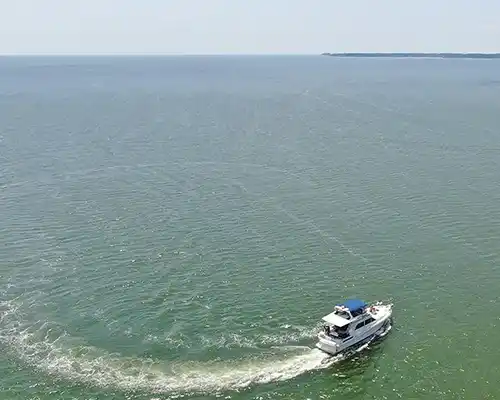
Boat insurance helps protect your investment by providing coverage for physical damage to your boat, liability if you cause injury or property damage to others, and a variety of optional coverages depending on your policy. Most policies cover risks such as collisions, theft, vandalism, fire, lightning, sinking, and certain weather-related events.
Many boat owners also choose optional coverages for personal belongings, fishing equipment, towing assistance, fuel spill liability, wreck removal, and uninsured boater protection to provide more complete protection while on the water.
Virginia law generally does not require boat owners to carry insurance for recreational vessels. However, many marinas, lenders, and yacht clubs require proof of insurance before allowing a boat to be financed, stored, or docked at their facilities.
Even when insurance isn't legally required, having coverage can help protect you from potentially significant repair costs and liability claims following an accident.
Boat insurance is available for many types of recreational watercraft, including fishing boats, pontoon boats, bass boats, center consoles, ski boats, wake boats, bowriders, deck boats, personal watercraft, sailboats, cruisers, and many larger recreational vessels.
Your insurance agent can help determine the best coverage options based on your boat's size, value, horsepower, and how you use it.
Yes. Most boat insurance policies provide coverage if your boat is stolen or damaged during an attempted theft. Coverage may also extend to permanently attached equipment such as electronics, trolling motors, anchors, and navigation systems, depending on your policy.
Keeping your boat secured, using anti-theft devices, and storing it in a protected location may help reduce your risk of theft and could qualify you for certain insurance discounts.
Most boat insurance policies cover damage caused by storms, including wind, hail, lightning, and falling objects, provided the loss results from a covered event. Damage caused by hurricanes or named storms may be subject to special deductibles or policy conditions depending on your insurer and location.
Understanding your policy's storm provisions before severe weather occurs can help you prepare your boat and avoid unexpected surprises during the claims process.
Boat liability insurance helps pay for bodily injury or property damage if you're found legally responsible for an accident while operating your boat. It may also help cover legal defense costs if you're sued following a covered boating accident.
Choosing higher liability limits can provide additional financial protection, especially for boat owners who frequently entertain guests or operate in busy waterways.
Many boat insurance policies offer optional towing and on-water emergency assistance coverage. This coverage can help pay for emergency towing if your boat becomes disabled due to mechanical failure, dead batteries, fuel shortages, or other covered situations.
Considering the cost of marine towing services, many boat owners find this optional coverage to be an excellent value.
Boat insurance premiums are influenced by several factors, including the boat's age, value, length, horsepower, type, storage location, navigation area, claims history, boating experience, safety equipment, and the coverages and deductibles you choose.
Completing a boating safety course, storing your boat in a secure location, and maintaining a clean claims history may help reduce your insurance premium.
Many policies provide limited coverage for personal property carried aboard the boat, including fishing rods, tackle, life jackets, electronics, coolers, and other recreational equipment. Coverage limits vary depending on the insurance company and policy you purchase.
If you regularly carry expensive fishing gear or marine electronics, additional coverage may be available to better protect your investment.
It's a good idea to review your boat insurance every year and whenever you make significant changes to your vessel. Upgrading electronics, installing a new engine, purchasing expensive accessories, changing where you store your boat, or expanding your cruising area may all affect your insurance needs.
An annual review helps ensure your policy continues to provide the right amount of protection while taking advantage of any new discounts or coverage options that may be available.
A surety bond is a financial guarantee that helps ensure an individual or business fulfills a legal, contractual, or licensing obligation. Unlike traditional insurance, which protects the policyholder, a surety bond protects the party requiring the bond by providing financial compensation if the bonded party fails to meet its obligations.
Many businesses are required to obtain surety bonds before they can be licensed, bid on projects, or enter into certain contracts.
Surety bonds are commonly required for contractors, construction companies, auto dealers, freight brokers, mortgage brokers, notaries, businesses applying for professional licenses, and companies performing work under government contracts. The specific bonding requirements vary depending on your industry, state regulations, and contractual obligations.
An insurance professional can help determine which type of bond your business needs.
There are many different types of surety bonds, including contractor license bonds, bid bonds, performance bonds, payment bonds, permit bonds, court bonds, probate bonds, fidelity bonds, notary bonds, ERISA bonds, freight broker bonds, and commercial license and permit bonds.
The right bond depends on your profession, business activities, and the requirements of the organization requesting the bond.
Although they're often purchased through insurance agencies, surety bonds and insurance policies serve different purposes. Insurance protects the policyholder against covered losses, while a surety bond guarantees that the bonded party will fulfill a legal or contractual obligation. If the surety company pays a claim, the bonded individual or business is generally responsible for reimbursing the surety.
Understanding this distinction is important when determining the type of protection your business needs.
A performance bond guarantees that a contractor will complete a construction project according to the terms of the contract. If the contractor fails to perform as agreed, the surety company may compensate the project owner or arrange for the project to be completed, subject to the bond's terms.
Performance bonds are commonly required on public construction projects and many private commercial projects.
A bid bond provides assurance that a contractor submitting a bid intends to enter into the contract if selected and can obtain the required performance and payment bonds. Bid bonds help protect project owners from financial losses if the winning bidder fails to honor its proposal.
Many government agencies and large commercial construction projects require bid bonds during the bidding process.
The cost of a surety bond depends on several factors, including the type of bond, required bond amount, applicant's credit history, financial strength, business experience, and underwriting requirements. Many license and permit bonds cost only a small percentage of the total bond amount.
An independent insurance agency can obtain quotes from multiple surety companies to help you find competitive pricing.
Many standard license and permit bonds can be issued quickly, sometimes on the same day after the application and underwriting process are completed. Larger contract bonds or bonds requiring detailed financial review may take additional time depending on the complexity of the request.
Providing complete financial information and documentation can help speed up the approval process.
Yes. Surety bonds are available for businesses of all sizes, from sole proprietors to large corporations. Whether you're applying for a contractor's license, opening a dealership, or bidding on a public project, there are bonding solutions available for many small businesses.
Your insurance agent can help identify the bond that best fits your business and licensing requirements.
Many surety bonds require annual renewal, although renewal periods vary depending on the bond type and the organization requiring the bond. It's important to renew your bond before it expires to avoid interruptions to your business license, contracts, or legal obligations.
Your insurance agency can help monitor renewal dates and assist with maintaining continuous bond coverage.
Commercial auto insurance helps protect businesses that own, lease, or use vehicles for business purposes. It provides financial protection if a company vehicle is involved in an accident, stolen, vandalized, or damaged by a covered event. A commercial auto policy can also provide liability protection if your business is legally responsible for injuries or property damage caused by one of its vehicles.
Whether your business operates a single pickup truck or an entire fleet of vehicles, commercial auto insurance is an essential part of protecting your business assets.
A commercial auto insurance policy may include liability coverage, collision coverage, comprehensive coverage, uninsured and underinsured motorist protection, medical payments, towing, rental reimbursement, and physical damage coverage for your vehicles. Optional endorsements are also available to customize your policy based on your business operations.
The exact coverages depend on the insurance company, the vehicles being insured, and the needs of your business.
Any business that owns, leases, or regularly uses vehicles for work should consider commercial auto insurance. Contractors, electricians, plumbers, landscapers, delivery companies, real estate professionals, consultants, sales representatives, restaurants, manufacturers, and many other businesses rely on commercial auto coverage to protect their operations.
Even businesses with just one company vehicle may face significant financial exposure without the proper insurance.
Personal auto insurance is designed for vehicles used primarily for personal transportation, while commercial auto insurance is intended for vehicles used in business operations. Commercial policies often provide higher liability limits, broader coverage options, and protection for employees driving company vehicles.
If you regularly use a vehicle for business purposes, relying solely on a personal auto insurance policy may leave important coverage gaps.
Yes. Commercial auto insurance generally provides coverage for employees who are authorized to drive company-owned vehicles, subject to the terms and conditions of the policy. Insurance companies may review employees' driving records when determining eligibility and premiums.
Establishing a driver safety program and regularly reviewing motor vehicle records can help reduce your business's risk.
Hired and non-owned auto insurance provides liability protection when your business rents, leases, or uses vehicles that it does not own. It may also provide coverage when employees use their personal vehicles for business purposes, such as making deliveries or visiting clients.
This important coverage is often added to a Business Owners Policy or commercial auto policy to help fill potential coverage gaps.
Insurance companies consider several factors when calculating your premium, including the type and value of your vehicles, business operations, driving history, number of drivers, annual mileage, location, claims history, vehicle usage, and selected coverage limits.
Hiring experienced drivers, maintaining your vehicles, and implementing fleet safety programs may help reduce your insurance costs.
Not always. While commercial auto insurance covers the vehicle itself, tools, equipment, and materials carried inside the vehicle may require additional coverage such as inland marine insurance or a contractor's equipment policy.
If your business regularly transports valuable equipment, it's important to discuss those exposures with your insurance agent.
The amount of liability insurance your business needs depends on the size of your company, the vehicles you operate, contractual requirements, and your overall risk exposure. Many businesses choose liability limits higher than the state minimum to better protect their assets from potentially costly lawsuits.
Your insurance agent can help determine the appropriate liability limits based on your business operations and financial goals.
You should review your commercial auto insurance policy at least once each year and whenever your business changes. Purchasing additional vehicles, hiring new drivers, expanding your service area, changing business operations, or increasing the value of your fleet may all affect your insurance needs.
An annual insurance review helps ensure your vehicles remain properly insured while identifying opportunities for additional protection and available premium discounts.
Commercial property insurance helps protect the physical assets your business owns or leases. This coverage can help pay to repair or replace your building, office furniture, equipment, inventory, computers, tools, signage, and other business property if they are damaged by a covered loss such as fire, theft, vandalism, wind, or certain weather-related events.
Whether you own your building or lease office or retail space, commercial property insurance can help your business recover financially after an unexpected loss.
A commercial property insurance policy may cover your building, business personal property, inventory, machinery, furniture, office equipment, computers, fixtures, outdoor signs, fencing, and improvements you make to leased space. Coverage typically applies to losses caused by covered events such as fire, lightning, theft, vandalism, smoke damage, and certain storms.
The exact coverages and exclusions depend on the policy you purchase and the insurance company providing the coverage.
Nearly every business that owns or leases physical property should consider commercial property insurance. Retail stores, contractors, offices, manufacturers, restaurants, warehouses, medical practices, nonprofit organizations, and many home-based businesses all have valuable business property that could be damaged or destroyed.
Even businesses that lease their space often own equipment, furniture, inventory, and computers that should be properly insured.
Yes. If you lease office, retail, or commercial space, commercial property insurance can help protect your business personal property inside the building. It may also provide coverage for improvements and betterments you've made to the leased space, depending on your policy.
Your landlord's insurance generally protects the building itself but does not usually cover your equipment, inventory, or office furnishings.
Yes. Most commercial property insurance policies provide coverage for theft, burglary, and vandalism involving covered business property, subject to your deductible and policy limits. Coverage may include office equipment, inventory, furniture, tools, and other insured business assets.
Installing security systems, surveillance cameras, and monitored alarms may help reduce your risk of loss and could qualify your business for insurance discounts.
Commercial property insurance generally does not cover floods, earthquakes, normal wear and tear, equipment breakdown, employee theft, cyber incidents, or damage resulting from poor maintenance unless additional coverage has been purchased. Businesses located in flood-prone areas should also consider purchasing separate flood insurance.
An insurance professional can help identify potential coverage gaps and recommend additional policies when appropriate.
The amount of insurance you need depends on the cost to rebuild your building, replace your equipment, and restore your inventory after a covered loss. It's important to insure your business property based on its replacement cost rather than its depreciated value whenever possible.
Regularly reviewing your property's value helps ensure your business remains adequately protected as equipment and construction costs change over time.
Insurance companies consider several factors when determining your premium, including the building's location, age, construction type, occupancy, fire protection, replacement cost, business operations, claims history, security features, coverage limits, and deductible.
Businesses with sprinkler systems, monitored alarm systems, and strong loss prevention practices may qualify for lower insurance premiums.
Yes. Many businesses purchase a Business Owners Policy (BOP), which combines commercial property insurance with general liability insurance and business interruption coverage into one convenient package. Additional coverages such as cyber liability, equipment breakdown, inland marine, and commercial umbrella insurance can also be added for broader protection.
Bundling multiple coverages often simplifies insurance management and may help reduce overall insurance costs.
You should review your commercial property insurance at least once each year and whenever your business changes. Purchasing new equipment, expanding your operations, renovating your building, increasing inventory, moving to a new location, or adding expensive machinery can all affect your insurance needs.
An annual policy review helps ensure your business property remains properly insured and that your coverage keeps pace with rising replacement costs and business growth.
A Business Owners Policy (BOP) combines several essential business insurance coverages into one convenient policy. Most Business Owners Policies include commercial property insurance, general liability insurance, and business interruption coverage. Bundling these coverages together often provides broader protection while being more cost-effective than purchasing each policy separately.
A BOP is designed for many small and medium-sized businesses and can often be customized with additional coverages based on your industry's unique risks.
A Business Owners Policy typically provides protection for your building (if owned), business personal property, furniture, equipment, inventory, signs, and liability if your business causes bodily injury or property damage to others. It may also include business income coverage if a covered loss forces your business to temporarily close.
Many businesses choose to add optional coverages such as cyber liability, employment practices liability, equipment breakdown, crime insurance, or professional liability to better protect their operations.
Business Owners Insurance is a good fit for many small and medium-sized businesses, including retail stores, offices, contractors, restaurants, professional service firms, wholesalers, manufacturers, and many home-based businesses. If your business owns property, serves customers, or could be held legally responsible for an accident, a BOP may provide valuable protection.
An insurance professional can help determine whether a Business Owners Policy is appropriate for your specific business.
Business interruption insurance, often included in a Business Owners Policy, helps replace lost income if your business must temporarily close due to a covered loss such as a fire, windstorm, or other insured event. It may also help pay ongoing operating expenses like rent, payroll, utilities, and loan payments while your business recovers.
This coverage can be critical in helping businesses survive unexpected disruptions.
No. Employee injuries are generally covered under workers' compensation insurance rather than a Business Owners Policy. Workers' compensation helps pay for medical expenses and lost wages if an employee is injured while performing job-related duties.
Many businesses carry both a Business Owners Policy and workers' compensation insurance to provide comprehensive protection.
Yes. General liability coverage included in most Business Owners Policies helps protect your business if you're sued for covered claims involving bodily injury, property damage, or certain types of advertising injury. The policy may also help pay legal defense costs, settlements, and judgments up to your coverage limits.
For businesses with greater liability exposure, commercial umbrella insurance can provide additional protection above the limits of the BOP.
The cost of a Business Owners Policy depends on factors such as your industry, annual revenue, payroll, number of employees, location, building value, business property value, claims history, selected coverages, and policy limits.
Every business is different, so obtaining a customized insurance quote is the best way to determine your premium.
Yes. One of the advantages of a Business Owners Policy is its flexibility. Many insurance companies allow you to add endorsements and optional coverages for cyber liability, equipment breakdown, inland marine, hired and non-owned auto liability, employment practices liability, data breach protection, and many other specialized risks.
Your insurance agent can recommend coverages based on the unique exposures facing your business.
Yes. Many home-based business owners mistakenly assume their homeowners insurance fully protects their business activities. In reality, homeowners policies often provide only limited coverage—or no coverage at all—for business property, liability, or lost business income.
A Business Owners Policy can provide important protection for home-based businesses by covering equipment, inventory, liability claims, and other business-related risks.
You should review your Business Owners Policy at least once each year and whenever your business changes. Hiring employees, purchasing equipment, expanding your operations, moving to a new location, increasing inventory, or offering new products or services can all affect your insurance needs.
An annual insurance review helps ensure your business remains properly protected while identifying opportunities for improved coverage and available premium savings.
Collector car insurance is specialized coverage designed for classic, antique, vintage, exotic, muscle, and collectible vehicles that are not used as daily drivers. Unlike a standard auto insurance policy, collector car insurance recognizes the unique value of these vehicles and often provides broader protection, agreed value coverage, and flexible usage options for hobbyists and enthusiasts.
If you've invested significant time and money into restoring or maintaining a collector vehicle, specialized insurance can help protect that investment.
Many insurance companies offer collector car insurance for classic cars, antique automobiles, muscle cars, hot rods, street rods, vintage trucks, exotic cars, antique motorcycles, replicas, and certain modern collectible vehicles. Eligibility depends on factors such as the vehicle's age, condition, rarity, and how it is used.
Your insurance agent can help determine whether your vehicle qualifies for a collector car insurance policy.
Agreed value coverage is one of the most valuable features of collector car insurance. Instead of determining your vehicle's value after a loss, you and the insurance company agree on the vehicle's insured value when the policy is issued. If your collector vehicle is declared a total loss due to a covered claim, the policy generally pays the agreed value, less any applicable deductible.
This provides greater certainty than standard auto insurance, which often pays based on actual cash value after depreciation.
Collector car insurance is generally intended for vehicles used on a limited basis, such as car shows, club events, exhibitions, occasional pleasure driving, and maintenance trips. Most policies are not designed for daily commuting or routine transportation.
Each insurance company has its own usage guidelines, so it's important to understand how your vehicle may be used while maintaining coverage.
Many insurance companies offer coverage for vehicles undergoing restoration, although the available protection varies by carrier. Some policies allow you to increase the insured value as restoration work progresses, helping protect your investment throughout the project.
If you're restoring a collector vehicle, discuss your plans with your insurance agent to ensure appropriate coverage is in place.
In many cases, yes. Because collector vehicles are typically driven fewer miles, carefully maintained, and stored securely, collector car insurance can often cost less than standard auto insurance. Premiums vary based on the vehicle's value, storage, driving history, location, and intended use.
Every vehicle and owner is different, so obtaining a personalized quote is the best way to determine your insurance cost.
Many collector car insurance companies require vehicles to be stored in a locked garage, enclosed building, or other secure storage location when not in use. Proper storage helps reduce the risk of theft, vandalism, and weather-related damage.
Storage requirements vary by insurance company, so it's important to discuss your situation with your insurance agent before purchasing coverage.
Many collector car insurance policies offer optional roadside assistance and flatbed towing designed specifically for classic and collectible vehicles. This coverage can help transport your vehicle safely if it becomes disabled while protecting it from unnecessary damage during towing.
Specialized roadside assistance can provide valuable peace of mind during car shows, cruises, and weekend drives.
Yes. Many collector car insurance companies insure modified vehicles, including hot rods, custom builds, pro touring cars, restomods, replica vehicles, and street rods. The value of custom parts and modifications should be properly documented to ensure adequate insurance protection.
Your insurance agent can help determine the appropriate coverage for your customized collector vehicle.
You should review your collector car insurance annually and whenever your vehicle's value changes. Completing a restoration, adding custom parts, market appreciation, purchasing additional collector vehicles, or changing how you use the vehicle may all affect your insurance needs.
An annual insurance review helps ensure your collector vehicle remains properly insured and that your agreed value accurately reflects its current worth.
Condo insurance, also known as an HO-6 policy, helps protect your personal belongings, interior improvements to your condominium, personal liability, and additional living expenses if your unit becomes temporarily uninhabitable due to a covered loss. While your condominium association's master insurance policy typically covers the building itself and common areas, your individual condo insurance helps protect what you own inside your unit.
Understanding the difference between your condo association's insurance and your personal condo insurance is one of the most important parts of choosing the right coverage.
While both policies provide protection for your property and personal liability, homeowners insurance covers an entire house and the structure itself. Condo insurance primarily protects the interior of your unit, your personal belongings, and your liability because the condominium association generally insures the building's exterior and common areas.
The exact division of responsibility depends on your condominium association's master insurance policy and bylaws.
Most condominium associations carry a master insurance policy that protects the building structure, roofs, exterior walls, common areas, and shared amenities. However, every association's policy is different. Some provide "bare walls" coverage, while others insure original fixtures and finishes inside each unit.
Reviewing your association's master policy can help determine how much individual condo insurance you need.
Yes. Condo insurance generally covers personal belongings such as furniture, clothing, electronics, appliances, kitchen items, and other possessions if they're damaged by a covered event like fire, theft, vandalism, or certain types of water damage.
Creating a home inventory and selecting appropriate personal property limits can help ensure your belongings are adequately protected.
Condo insurance often covers sudden and accidental water damage, such as a burst pipe or an overflowing appliance. However, it generally does not cover flood damage, sewer backups without the proper endorsement, or damage caused by long-term leaks or poor maintenance.
Depending on where you live, you may also want to consider adding flood insurance or water backup coverage for additional protection.
Loss assessment coverage helps pay your share of certain assessments charged by your condominium association following a covered loss. For example, if the association's insurance deductible is high or a claim exceeds the master policy's limits, unit owners may be assessed a portion of the remaining costs.
This important coverage can help protect condo owners from unexpected expenses that may otherwise come directly out of pocket.
Yes. Condo insurance typically includes personal liability coverage if you're legally responsible for injuries to another person or damage to someone else's property. Liability coverage may also help pay legal defense costs if you're sued following a covered incident.
Many condo owners choose higher liability limits or purchase an umbrella liability policy for additional financial protection.
The amount of condo insurance you need depends on the value of your personal belongings, interior improvements, and the coverage provided by your condominium association's master policy. You should also consider carrying enough liability insurance to protect your assets.
Your insurance agent can review your association documents and help determine the appropriate amount of coverage for your individual situation.
Several factors influence condo insurance premiums, including your unit's location, the building's age and construction, your claims history, deductible, coverage limits, personal property value, and available discounts.
Bundling your condo and auto insurance, maintaining a claims-free history, and selecting an appropriate deductible may help lower your premium.
You should review your condo insurance policy at least once each year and whenever you make significant changes to your home or belongings. Renovations, purchasing valuable personal property, changes to your condominium association's master policy, or major life events can all affect your insurance needs.
An annual insurance review helps ensure your policy continues to provide the protection you need while taking advantage of any available discounts or updated coverage options.
Cyber liability insurance helps protect businesses from the financial consequences of cyberattacks, data breaches, ransomware, phishing scams, and other technology-related incidents. A cyber insurance policy can help cover the costs of recovering from a cyber event, including legal expenses, customer notification, data restoration, forensic investigations, and business interruption.
As cyber threats continue to evolve, businesses of every size are becoming targets. Cyber liability insurance has become an important part of a comprehensive business insurance program.
Any business that stores customer information, processes electronic payments, uses email, relies on computer systems, or maintains confidential business records should consider cyber liability insurance. Small businesses, medical offices, retailers, contractors, manufacturers, nonprofit organizations, financial professionals, and professional service firms all face cyber risks.
Even businesses with only a few employees can suffer significant financial losses following a cyberattack.
Coverage varies by insurance company, but many cyber liability policies include protection for data breaches, ransomware attacks, cyber extortion, business interruption, data recovery, forensic investigations, legal defense costs, regulatory proceedings, customer notification expenses, credit monitoring services, and public relations efforts following a covered cyber event.
Many policies also provide access to cybersecurity experts who can help businesses respond quickly after an attack.
In most cases, no. General liability insurance is designed to protect against bodily injury, property damage, and certain advertising-related claims. It generally does not cover data breaches, ransomware attacks, cyber extortion, or other cyber-related losses.
Businesses that rely on technology should consider a dedicated cyber liability insurance policy to address these specialized risks.
Ransomware is a type of malicious software that encrypts a business's files or computer systems until a ransom payment is demanded. Many cyber liability insurance policies provide coverage for ransomware-related expenses, including forensic investigations, data restoration, business interruption, and, when permitted by law and policy terms, cyber extortion payments.
Having both strong cybersecurity practices and cyber insurance can help businesses recover more quickly from these increasingly common attacks.
The cost of cyber liability insurance depends on several factors, including your industry, annual revenue, number of employees, types of information you store, cybersecurity controls, claims history, and the coverage limits you choose.
Businesses with strong cybersecurity measures such as multi-factor authentication, employee training, and secure data backup systems may qualify for more favorable insurance premiums.
Businesses of every size are targeted by cybercriminals, but small and mid-sized businesses are often attractive because they may have fewer cybersecurity resources. Medical practices, law firms, retailers, financial services companies, manufacturers, contractors, nonprofits, schools, and professional service firms commonly experience phishing attacks, ransomware, wire fraud, and data breaches.
No business is too small to become the victim of a cyberattack.
Many cyber liability policies provide coverage for incidents resulting from unintentional employee errors, such as clicking on phishing emails, sending sensitive information to the wrong recipient, or accidentally exposing confidential data. Coverage depends on the policy and the circumstances surrounding the event.
Regular cybersecurity awareness training can help reduce the likelihood of employee-related cyber incidents.
Businesses can improve their cybersecurity by using strong passwords, enabling multi-factor authentication, maintaining regular software updates, backing up critical data, training employees to recognize phishing scams, restricting system access, and developing an incident response plan.
Cyber liability insurance complements these security measures by helping businesses recover financially if a cyber incident still occurs.
You should review your cyber liability insurance at least once each year and whenever your business undergoes significant changes. Expanding operations, adding employees, launching e-commerce, collecting additional customer information, implementing new technology, or increasing revenue may all affect your cyber risk.
An annual policy review helps ensure your coverage keeps pace with your business while protecting against today's rapidly evolving cyber threats.
Earthquake insurance provides financial protection if your home, personal belongings, or other covered property are damaged by an earthquake. Most standard homeowners insurance policies do not cover earthquake damage, making a separate earthquake insurance policy or endorsement necessary for homeowners who want this protection.
Although major earthquakes are less common than other natural disasters, they can cause significant structural damage and expensive repairs that are not typically covered under a standard homeowners policy.
No. Standard homeowners insurance policies generally exclude damage caused by earthquakes, earth movement, landslides, sinkholes, and ground shifting. To protect your home against these risks, you'll typically need to purchase separate earthquake insurance.
Reviewing your current homeowners policy can help you understand what is and isn't covered before an earthquake occurs.
Earthquake insurance may provide coverage for your home's structure, detached structures, personal belongings, and additional living expenses if your home becomes uninhabitable following a covered earthquake. Coverage varies by insurance company and policy, so it's important to understand your deductible and coverage limits.
Some policies also offer optional protection for masonry veneer, swimming pools, and other property features that may have limited coverage.
Earthquake insurance may be appropriate for homeowners, condominium owners, landlords, and renters who live in areas with seismic activity or who want additional protection against unexpected earth movement. While some regions have a higher risk than others, earthquakes can occur in many parts of the United States.
Property owners should evaluate their home's location, construction type, and financial ability to recover from a major earthquake when deciding whether to purchase coverage.
Although Virginia is not typically associated with frequent earthquakes, the state has experienced measurable seismic activity, including the 2011 Central Virginia earthquake that caused damage across several states. Depending on your home's location, construction, and financial goals, earthquake insurance may provide valuable peace of mind.
An independent insurance agent can help you evaluate your individual risk and determine whether earthquake coverage is appropriate for your property.
The cost of earthquake insurance depends on several factors, including your home's location, age, construction type, foundation, replacement cost, deductible, and the amount of coverage you choose. Homes built to newer building codes or with earthquake-resistant features may qualify for lower premiums.
Obtaining a personalized quote is the best way to determine the cost of earthquake insurance for your home.
Unlike many homeowners insurance policies that have fixed-dollar deductibles, earthquake insurance deductibles are often calculated as a percentage of your home's insured value. Depending on your policy, deductibles may range from 5% to 25% of the covered value.
Understanding your deductible is important because it affects both your premium and the amount you'll pay out of pocket following a covered earthquake loss.
Many earthquake insurance policies offer coverage for personal belongings such as furniture, clothing, electronics, appliances, and household items that are damaged during a covered earthquake. Coverage limits vary depending on the policy you purchase.
Creating a home inventory can help ensure you have adequate personal property coverage and simplify the claims process if a loss occurs.
Yes. Renters and condominium owners can purchase earthquake insurance to protect their personal belongings and, in the case of condo owners, certain interior improvements. Condominium associations may also carry separate insurance for the building's common areas and structure.
Even if you don't own the building itself, replacing your belongings after an earthquake can be financially challenging without insurance.
You should review your earthquake insurance annually and whenever your property or financial situation changes. Home renovations, additions, increases in replacement costs, or purchasing valuable personal property may all affect your insurance needs.
An annual policy review helps ensure your earthquake insurance continues to provide the level of protection that's appropriate for your home and financial goals.
Electric bike insurance helps protect your e-bike from financial losses caused by accidents, theft, vandalism, fire, and other covered events. Depending on the policy you choose, coverage may also include liability protection if you're responsible for injuring another person or damaging their property while riding your electric bike.
As electric bikes continue to grow in popularity, specialized insurance can provide valuable protection that may not be available under a standard homeowners or auto insurance policy.
Some homeowners insurance policies may provide limited coverage for an electric bike if it is stolen or damaged while on your property. However, coverage may be limited by the bike's value, motor size, speed capabilities, or policy exclusions. Homeowners insurance also generally does not provide the same level of liability protection or accidental damage coverage as a dedicated electric bike insurance policy.
Reviewing your existing insurance with your agent can help determine whether additional coverage is appropriate.
Electric bike insurance may include coverage for theft, collisions, vandalism, fire, accidental damage, liability, medical payments, roadside assistance, accessories, and transportation expenses following a covered loss. Coverage options vary depending on the insurance company and policy you choose.
Many policies can also be customized to protect high-value accessories and riding equipment.
Many insurance companies offer coverage for Class 1, Class 2, and Class 3 electric bikes, although eligibility depends on factors such as the bike's value, top assisted speed, motor size, and how it is used. Custom-built or heavily modified electric bikes may have additional underwriting requirements.
Your insurance agent can help determine whether your electric bike qualifies for coverage.
Yes. Theft is one of the most common claims involving electric bikes, and many e-bike insurance policies provide coverage if your bike is stolen, subject to your deductible and policy limits. Coverage may also extend to theft while your bike is locked outside your home or being transported.
Using a high-quality lock and storing your electric bike in a secure location can help reduce your risk of theft.
Many policies provide coverage for permanently attached accessories and may offer optional protection for removable items such as batteries, chargers, bike computers, GPS units, lights, helmets, racks, and other cycling equipment.
If you've invested in premium accessories, it's important to ensure they're included in your insurance coverage.
Insurance companies consider several factors when determining premiums, including the bike's value, class, motor size, location, storage, rider experience, claims history, coverage limits, deductible, and how often the bike is used.
Keeping your electric bike in a secure location and using anti-theft devices may help reduce your insurance costs.
Liability insurance can provide valuable financial protection if you're involved in an accident that causes bodily injury or property damage to another person. While some homeowners or umbrella insurance policies may provide limited liability protection, a dedicated electric bike insurance policy often provides broader coverage designed specifically for e-bike owners.
Liability coverage is especially important if you regularly ride in busy neighborhoods, parks, or shared-use trails.
Yes. Many specialty insurance companies offer coverage for high-value electric bikes used for commuting, recreation, road cycling, mountain biking, or competitive events. Coverage can often be tailored to reflect the bike's actual value, including custom upgrades and premium components.
An independent insurance agent can help you compare options for protecting your investment.
You should review your electric bike insurance each year and whenever you make significant changes. Purchasing a new e-bike, upgrading batteries or components, adding expensive accessories, moving to a new location, or changing how often you ride may all affect your insurance needs.
An annual insurance review helps ensure your electric bike remains properly protected while identifying opportunities for additional coverage and available discounts.
Farm insurance is a specialized type of insurance designed to protect farms, ranches, and agricultural operations from a wide range of risks. A farm insurance policy can combine protection for your home, barns, outbuildings, equipment, livestock, liability, and certain farming operations into one comprehensive policy.
Because every farm is different, insurance coverage can be customized to meet the unique needs of hobby farms, family farms, livestock operations, crop farms, and larger agricultural businesses.
Farm insurance may provide coverage for your farmhouse, barns, silos, equipment sheds, fencing, machinery, tractors, combines, livestock, hay, feed, tools, and farm liability. Many policies can also be customized with optional coverages for irrigation systems, grain bins, farm vehicles, business property, and additional structures.
Your insurance agent can help tailor coverage based on the type of farming operation you own and the risks you face.
Farm insurance is appropriate for anyone involved in agricultural operations, including crop farmers, livestock producers, horse farms, hobby farms, family farms, poultry operations, orchards, vineyards, and specialty agricultural businesses. Even smaller farms may have insurance needs that are not adequately covered by a standard homeowners insurance policy.
If your property is used to generate agricultural income, specialized farm insurance should be considered.
In many cases, no. While homeowners insurance may provide protection for your home and personal belongings, it often excludes or limits coverage for farming operations, business property, farm equipment, livestock, and liability arising from agricultural activities.
A farm insurance policy is designed specifically to address the unique risks associated with owning and operating a farm.
Yes. Many farm insurance policies provide coverage for tractors, combines, balers, plows, sprayers, utility vehicles, and other farm equipment used in agricultural operations. Coverage options vary depending on whether the equipment is owned, leased, or financed.
Because farm machinery represents a significant investment, it's important to insure equipment based on its replacement value whenever possible.
Many farm insurance policies offer coverage for livestock, although the amount and type of protection depend on the policy you purchase. Additional livestock coverage may be available for cattle, horses, sheep, goats, poultry, and other farm animals against specific covered causes of loss.
Your insurance agent can help determine the most appropriate coverage based on the type of livestock you own.
Farm insurance premiums are influenced by several factors, including the size of the property, type of farming operation, number of buildings, value of equipment, livestock, annual farm income, claims history, location, and selected coverage limits.
Because every farm is unique, obtaining a customized insurance quote is the best way to determine your insurance costs.
Yes. Farm liability insurance helps protect you if you're legally responsible for bodily injury or property damage resulting from your farming operations. Liability coverage may also help pay legal defense costs if you're sued following a covered incident involving your farm.
Many farm owners choose higher liability limits or purchase a personal or commercial umbrella policy to provide additional financial protection.
Yes. Hobby farms often have different insurance needs than full-time commercial farming operations, but they still require specialized protection. Whether you raise a few animals, grow produce for local markets, or maintain small agricultural buildings, a hobby farm policy can often be customized to fit your operation.
Your insurance agent can help determine whether your property qualifies as a hobby farm or a commercial agricultural operation.
You should review your farm insurance policy at least once each year and whenever significant changes occur. Purchasing additional acreage, constructing new barns, buying equipment, increasing livestock, expanding your farming operation, or diversifying your agricultural activities may all affect your insurance needs.
An annual insurance review helps ensure your farm remains properly protected while keeping your coverage aligned with your operation's growth and changing risks.
General liability insurance helps protect businesses from financial losses if they are held legally responsible for bodily injury, property damage, or certain personal and advertising injuries. It is one of the most important types of business insurance because it can help pay for medical expenses, legal defense costs, settlements, and judgments resulting from covered claims.
Whether you own a small business or a large company, general liability insurance can provide valuable financial protection against many of the everyday risks of operating a business.
A general liability insurance policy typically covers third-party bodily injury, property damage, personal and advertising injury, legal defense costs, and medical payments for covered incidents. For example, if a customer slips and falls at your business or you accidentally damage a client's property while performing work, your policy may help pay the resulting expenses.
Coverage varies by insurance company and policy, so it's important to review your insurance with your agent.
Almost every business can benefit from general liability insurance. Contractors, retailers, restaurants, consultants, manufacturers, medical offices, professional service firms, landscapers, nonprofit organizations, and home-based businesses all face liability risks that could result in costly lawsuits.
Even businesses that operate primarily online or from a home office may need liability protection depending on the services they provide.
General liability insurance does not cover every type of business risk. It generally does not cover employee injuries, professional errors or omissions, commercial auto accidents, intentional acts, employment-related claims, cyber incidents, or damage to your own business property.
Additional insurance policies, such as workers' compensation, professional liability, commercial property insurance, cyber liability insurance, or commercial auto insurance, may be needed to fully protect your business.
Yes. One of the most valuable features of general liability insurance is that it typically helps pay legal defense costs associated with covered claims. Attorney fees, court costs, settlements, and judgments can become extremely expensive, even if your business is ultimately found not to be at fault.
Having liability insurance can help protect both your business assets and your financial future.
General liability insurance is generally not required by state law, but many landlords, commercial property owners, lenders, licensing agencies, and clients require businesses to carry liability insurance before signing contracts or beginning work.
Many businesses purchase general liability insurance even when it isn't required because of the financial protection it provides against lawsuits.
The amount of liability insurance your business needs depends on your industry, annual revenue, number of employees, type of work performed, contractual requirements, and overall risk exposure. Many small businesses begin with a $1 million per occurrence limit, although higher limits may be appropriate for businesses with greater liability exposure.
An experienced insurance agent can help evaluate your risks and recommend appropriate coverage limits.
Insurance companies consider many factors when determining your premium, including your industry, business operations, annual revenue, payroll, claims history, location, years in business, and the coverage limits you select.
Every business is unique, so obtaining a customized insurance quote is the best way to determine your insurance cost.
Yes. Many small businesses purchase a Business Owners Policy (BOP), which combines general liability insurance with commercial property insurance and business interruption coverage into one convenient policy. Additional coverages such as cyber liability, commercial auto, inland marine, workers' compensation, or umbrella liability insurance can also be added to create a more comprehensive insurance program.
Bundling coverages often simplifies policy management and may reduce your overall insurance costs.
You should review your general liability insurance at least once each year and whenever your business changes. Hiring employees, expanding services, purchasing equipment, moving locations, signing larger contracts, or increasing revenue may all affect your insurance needs.
An annual insurance review helps ensure your business remains properly protected while identifying opportunities for improved coverage and available premium savings.
Group employee benefits are insurance and financial protection programs offered by an employer to help support the health, financial security, and well-being of employees and their families. Common group benefits include health insurance, dental insurance, vision insurance, life insurance, disability insurance, retirement plans, and voluntary benefits.
Offering a competitive employee benefits package can help businesses attract qualified employees, improve retention, and create a more satisfied and productive workforce.
Employers can choose from a wide variety of group benefits, including medical insurance, dental insurance, vision insurance, group life insurance, short-term disability, long-term disability, accidental death and dismemberment (AD&D) insurance, critical illness insurance, accident insurance, hospital indemnity insurance, retirement plans, and employee assistance programs (EAPs).
An independent insurance agency can help employers design a benefits package that fits their budget and the needs of their employees.
Whether group benefits are required depends on the size of the business and applicable federal and state laws. While many small businesses are not legally required to offer health insurance or other employee benefits, providing them can make it easier to recruit and retain talented employees in a competitive job market.
Even businesses with only a few employees may find that offering benefits provides a valuable competitive advantage.
Group benefits can improve employee recruitment, increase retention, reduce turnover, boost morale, and demonstrate an employer's commitment to its workforce. Employees often place significant value on benefits such as health insurance and life insurance when evaluating job opportunities.
A well-designed benefits package can also contribute to higher employee satisfaction and long-term business success.
Group life insurance provides life insurance coverage to eligible employees under a single policy purchased by the employer. Many employers offer a basic amount of life insurance as part of their employee benefits package, while employees may have the option to purchase additional voluntary coverage for themselves or their family members.
Group life insurance offers valuable financial protection and is often one of the most appreciated employee benefits.
Voluntary benefits are optional insurance products that employees can choose to purchase through payroll deductions. These benefits may include accident insurance, critical illness insurance, hospital indemnity insurance, supplemental life insurance, legal plans, identity theft protection, and pet insurance.
Voluntary benefits allow employees to customize their coverage while often receiving the advantage of group pricing.
The cost of group benefits depends on factors such as the number of employees, employee ages, selected coverages, employer contribution levels, industry, claims experience, and the insurance companies being considered. Every business has different needs, so benefit costs can vary significantly.
An independent insurance agency can compare multiple insurance carriers to help employers find competitive pricing and comprehensive coverage.
Yes. Many insurance companies offer group benefit programs designed specifically for small businesses. Even companies with only a few employees may qualify for group health insurance, life insurance, disability insurance, dental plans, vision coverage, and voluntary benefits.
Offering benefits can help smaller employers compete with larger companies when hiring and retaining employees.
Employers should review their employee benefits annually, typically before their policy renewal date. Changes in workforce size, employee demographics, business growth, insurance costs, or available carrier options may create opportunities to improve coverage or reduce costs.
Regular reviews help ensure employees continue receiving competitive benefits while allowing employers to manage expenses effectively.
An independent insurance agency works with multiple insurance companies rather than representing a single carrier. This allows employers to compare benefit plans, pricing, coverage options, and provider networks from several insurers to find the best fit for their business.
In addition to helping design a competitive employee benefits package, an independent agent can provide ongoing service, enrollment assistance, renewal reviews, and support as your business and workforce continue to grow.
Group life insurance is a benefit offered by many employers that provides life insurance coverage to eligible employees under a single policy. If a covered employee passes away while the policy is in force, the designated beneficiary generally receives a tax-free death benefit that can help replace lost income, pay outstanding debts, cover funeral expenses, or provide financial security for the employee's family.
Group life insurance is one of the most common and valued employee benefits because it offers affordable financial protection for employees and their loved ones.
An employer purchases a group life insurance policy that covers eligible employees. Many employers provide a basic amount of life insurance at no cost to the employee, while additional voluntary coverage may be available for employees, spouses, and dependent children.
The amount of coverage is often based on a flat dollar amount or a multiple of the employee's annual salary.
Eligibility for group life insurance depends on the employer's benefit plan and the insurance company's requirements. Full-time employees are commonly eligible, while some employers also extend coverage to part-time employees or other qualifying groups.
Your employer can explain the eligibility requirements and enrollment process for your specific benefits program.
Group life insurance provides valuable protection, but it may not provide enough coverage to meet your family's long-term financial needs. Many employer-sponsored plans offer coverage equal to one or two times an employee's annual salary, which may not be sufficient to replace years of income or pay off significant financial obligations.
Many individuals choose to supplement their employer-provided coverage with an individual life insurance policy they own personally.
Yes. Many employers offer voluntary group life insurance that allows employees to purchase additional coverage beyond the employer-paid benefit. Employees may also have the option to purchase coverage for their spouse and dependent children through payroll deductions.
Voluntary group life insurance often provides an affordable way to increase your family's financial protection.
In many cases, employer-provided group life insurance ends when your employment terminates. Some policies include portability or conversion options that allow you to continue coverage under certain conditions, although premiums and coverage terms may change.
Understanding your policy's portability or conversion options before changing jobs can help you avoid an unexpected gap in coverage.
Many employer-sponsored group life insurance plans provide a guaranteed amount of coverage without requiring a medical exam. However, employees requesting larger amounts of optional life insurance may be required to complete health questions or provide evidence of insurability.
The underwriting requirements depend on your employer's benefit plan and the insurance company offering the coverage.
The cost of group life insurance depends on factors such as the employer's benefit plan, employee ages, coverage amounts, and whether the employer pays all or part of the premium. Basic employer-paid life insurance is often provided at little or no cost to eligible employees.
Additional voluntary coverage is typically available at competitive group rates through payroll deductions.
Group life insurance is an attractive employee benefit that can help businesses recruit qualified employees, improve retention, increase employee satisfaction, and demonstrate a commitment to supporting employees and their families. It is often one of the most affordable benefits an employer can add to a comprehensive employee benefits package.
Many businesses combine group life insurance with health insurance, disability insurance, dental insurance, and vision coverage to create a competitive benefits program.
Both employers and employees should review group life insurance coverage annually and whenever significant life or business changes occur. Marriage, the birth of a child, purchasing a home, salary increases, business growth, or changes in employee benefits may all affect the amount of life insurance that's appropriate.
Regular reviews help ensure employees maintain adequate financial protection while allowing employers to offer competitive and valuable employee benefits.
A standard homeowners insurance policy generally helps protect your home, detached structures, personal belongings, and your financial responsibility if someone is injured on your property. It often covers damage caused by fire, lightning, windstorms, hail, theft, vandalism, and certain types of water damage from sudden and accidental events. Most policies also include additional living expenses if your home becomes temporarily uninhabitable after a covered loss.
Because every policy is different, it's important to review your coverage regularly to ensure it reflects your home's current value and your family's needs.
While homeowners insurance covers many common risks, there are several important exclusions. Most standard policies do not cover flood damage, earthquakes, normal wear and tear, neglect, mold caused by long-term moisture issues, or damage resulting from poor maintenance. Sewer backups, sinkholes, and certain high-value personal items may also require additional coverage.
Understanding these exclusions can help homeowners avoid unexpected surprises when filing a claim.
The amount of homeowners insurance you need should be based primarily on the cost to rebuild your home—not its market value. Reconstruction costs include labor, materials, debris removal, and current building code requirements.
You should also have enough personal property coverage to replace your belongings and adequate liability protection to safeguard your financial future. Many homeowners choose to add an umbrella policy for additional liability protection.
Yes, homeowners insurance generally covers roof damage caused by sudden, accidental events such as hail, windstorms, falling trees, or fire. However, damage caused by age, deterioration, poor maintenance, or normal wear and tear is typically not covered.
Keeping your roof in good condition and documenting maintenance can help support future claims if storm damage occurs.
Homeowners insurance usually covers sudden and accidental water damage, such as a burst pipe, overflowing washing machine, or accidental plumbing failure. However, it generally does not cover flooding from rising water, groundwater intrusion, or damage caused by ongoing leaks that were not repaired.
Flood insurance is usually required to protect against flood-related losses.
Replacement cost coverage pays to repair or replace damaged property with new items of similar quality without deducting for depreciation. This often provides significantly better protection than actual cash value coverage, which reduces claim payments based on the age and condition of the damaged property.
Many homeowners choose replacement cost coverage because it better reflects today's construction and replacement costs.
A deductible is the amount you agree to pay out of pocket before your insurance coverage begins paying for a covered claim. Common deductibles range from $500 to several thousand dollars.
Generally, choosing a higher deductible can lower your insurance premium, while a lower deductible usually results in a higher premium. The right deductible depends on your financial situation and comfort level.
It may. Insurance companies consider several factors when determining future premiums, including the type of claim, the severity of the loss, your previous claims history, and regional claim trends.
Not every claim results in a premium increase, but homeowners should consider whether smaller repairs are worth submitting as insurance claims.
Standard homeowners insurance policies usually include coverage limits for valuable personal property such as jewelry, watches, firearms, collectibles, artwork, and antiques. If the value of these items exceeds your policy limits, you may want to purchase scheduled personal property coverage.
Scheduling valuable items often provides broader protection and may eliminate or reduce deductibles for covered losses.
Most insurance professionals recommend reviewing your homeowners insurance at least once a year and anytime major life changes occur. Renovations, home additions, purchasing expensive belongings, changes in occupancy, or significant increases in construction costs may all affect your insurance needs.
An annual policy review helps ensure your coverage keeps pace with your home's value and changing circumstances, giving you confidence that you're properly protected.
Key person life insurance, sometimes called key man life insurance, is a policy that a business purchases on the life of an owner, executive, or other employee whose knowledge, leadership, or expertise is critical to the company's success. The business owns the policy, pays the premiums, and is typically the beneficiary.
If the insured individual passes away, the death benefit can help the business recover financially while replacing lost revenue, recruiting a successor, paying debts, or continuing operations during a difficult transition.
Businesses should consider key person life insurance if they rely heavily on one or more individuals whose absence would significantly affect operations or profitability. This often includes business owners, partners, executives, top salespeople, physicians, engineers, and employees with specialized knowledge or client relationships.
If losing one person could disrupt your business or create financial hardship, key person insurance may be an important part of your risk management plan.
The business purchases a life insurance policy on a key employee after obtaining their consent. The business pays the premiums, owns the policy, and is generally the beneficiary. If the insured person dies while the policy is in force, the death benefit is paid to the business.
The proceeds can be used for any business purpose, including hiring and training a replacement, paying operating expenses, satisfying outstanding loans, or maintaining cash flow during the transition.
The amount of coverage depends on the individual's value to the business, annual revenue, outstanding business debt, replacement costs, and the potential financial impact of losing that person. Some businesses purchase coverage equal to several years of the employee's compensation, while others calculate coverage based on projected financial losses.
An insurance professional can help determine an appropriate coverage amount based on your company's specific circumstances.
In most cases, premiums paid for key person life insurance are not tax deductible when the business is the policy beneficiary. However, death benefits are often received income tax-free under current tax laws, provided certain requirements are met.
Because tax rules can be complex, business owners should consult their accountant or tax advisor regarding the tax treatment of key person life insurance.
Absolutely. Small businesses are often more dependent on a single owner or employee than larger organizations. Losing a founder, lead technician, top salesperson, or other key employee can have an immediate impact on revenue, customer relationships, and daily operations.
Key person life insurance can provide the financial stability needed to help the business recover and continue serving customers.
Yes. Some banks and lenders require businesses to purchase key person life insurance before approving certain business loans. The policy helps protect the lender by providing funds that may be used to repay outstanding debt if the insured individual dies unexpectedly.
Having key person coverage may also strengthen your company's financial planning and improve lender confidence.
Although both involve life insurance, they serve different purposes. Key person life insurance protects the business from financial losses caused by the death of an important employee or owner. Buy-sell agreement funding uses life insurance to provide money for the remaining owners to purchase a deceased owner's ownership interest.
Many businesses carry both types of coverage as part of a comprehensive business continuity plan.
Yes. Many businesses also purchase key person disability insurance, which provides financial protection if a key employee becomes disabled and is unable to work for an extended period. Disability can often have an even greater financial impact than death because the business may continue paying salary and benefits while trying to replace the employee.
Combining life and disability coverage creates a more complete business protection strategy.
Businesses should review their key person life insurance annually and whenever major changes occur. Hiring executives, promoting employees, expanding operations, increasing revenue, taking on business loans, or changes in business ownership may all affect your insurance needs.
Regular reviews help ensure your coverage keeps pace with your company's growth and continues to protect the people who are most critical to your success.
Landlord insurance is designed to protect residential rental properties that are leased to tenants. Unlike a standard homeowners insurance policy, landlord insurance provides coverage for rental property owners by helping protect the dwelling, detached structures, liability exposure, and, in many cases, loss of rental income following a covered loss.
Whether you own a single rental home or multiple investment properties, landlord insurance can help protect your investment and financial future.
A landlord insurance policy may provide coverage for the rental dwelling, garages, sheds, fences, and other detached structures. It also typically includes personal liability protection if you're legally responsible for injuries or property damage involving your rental property. Many policies also include loss of rental income coverage if the property becomes temporarily uninhabitable due to a covered claim.
Coverage options vary by insurance company, so it's important to review your policy with your insurance agent.
No. Landlord insurance generally does not cover a tenant's personal belongings such as furniture, clothing, electronics, or household items. Tenants should purchase their own renters insurance policy to protect their personal property and provide personal liability coverage.
Many landlords require tenants to carry renters insurance as part of their lease agreement.
Homeowners insurance is designed for owner-occupied homes, while landlord insurance is intended for properties that are rented to tenants. Once you begin renting your property, your homeowners policy may no longer provide appropriate coverage for the risks associated with being a landlord.
Landlord insurance is specifically designed to address rental property exposures such as tenant occupancy and loss of rental income.
Many landlord insurance policies include loss of rental income coverage, sometimes called fair rental value coverage. If your rental property becomes uninhabitable due to a covered loss such as a fire or severe storm, this coverage may help reimburse the rental income you lose while repairs are being completed.
This valuable coverage can help maintain your cash flow during unexpected property repairs.
Landlord insurance may cover certain accidental damage caused by tenants if it results from a covered cause of loss. However, intentional damage, neglect, excessive wear and tear, or maintenance-related issues are generally not covered.
Understanding your policy's exclusions can help you better manage the risks associated with owning rental property.
Yes. Landlord liability insurance helps protect you if someone is injured on your rental property or if you're found legally responsible for property damage. It may also help pay legal defense costs, settlements, and judgments associated with covered liability claims.
Many landlords choose higher liability limits or add an umbrella liability policy for additional financial protection.
The cost of landlord insurance depends on several factors, including the property's location, age, construction type, replacement cost, claims history, occupancy, coverage limits, deductible, and whether the property is rented long-term or seasonally.
Maintaining your property, updating major systems, and installing security features may help reduce your insurance premium.
Many insurance companies offer coverage for landlords who own multiple rental properties. Depending on the insurer, you may be able to insure several investment properties under one account, making policy management more convenient while potentially qualifying for multi-property discounts.
Your insurance agent can help determine the best way to insure your rental property portfolio.
You should review your landlord insurance policy at least once each year and whenever significant changes occur. Renovating your rental property, increasing its value, purchasing additional investment properties, changing tenants, or converting a long-term rental into a short-term rental can all affect your insurance needs.
An annual insurance review helps ensure your rental property remains properly protected while identifying opportunities for additional coverage and available premium savings.
Livery insurance is a specialized type of commercial auto insurance designed for businesses and individuals who transport passengers for a fee. It provides financial protection for vehicles used for services such as taxis, airport shuttles, executive transportation, limousine services, rideshare fleets, black car services, and other for-hire passenger transportation businesses.
Because transporting passengers creates greater liability exposure than personal driving, livery insurance offers coverage specifically designed for commercial passenger transportation operations.
Livery insurance is appropriate for businesses and drivers who transport passengers in exchange for compensation. This includes taxi companies, limousine services, executive transportation providers, airport shuttle operators, black car services, chauffeur services, and many other for-hire transportation businesses.
If you are paid to transport passengers, a personal auto insurance policy is generally not sufficient to protect your business.
Livery insurance policies may include commercial auto liability, collision coverage, comprehensive coverage, uninsured and underinsured motorist protection, medical payments, physical damage coverage, and optional endorsements tailored to passenger transportation businesses.
Coverage options vary depending on your business operations, the number of vehicles you own, and the type of passengers you transport.
In most cases, no. Personal auto insurance policies generally exclude coverage when a vehicle is used to transport passengers for compensation. If an accident occurs while using your vehicle for commercial passenger transportation, your personal policy may deny the claim.
Livery insurance helps fill this important coverage gap by providing protection specifically for for-hire transportation businesses.
Rideshare insurance is typically designed for individuals who drive part-time using transportation network companies such as Uber or Lyft. Livery insurance is generally intended for commercial passenger transportation businesses that operate independently, provide scheduled transportation, executive transportation, shuttle services, or maintain commercial fleets.
Your insurance agent can help determine which type of policy best fits your business model.
Insurance companies consider several factors when determining livery insurance premiums, including the number of vehicles, passenger capacity, driver experience, driving records, operating territory, annual mileage, claims history, vehicle values, and the types of transportation services provided.
Maintaining qualified drivers and implementing strong fleet safety programs may help reduce insurance costs.
Yes. Livery insurance is available for businesses operating a single vehicle as well as companies managing multiple passenger vehicles. Fleet policies can often be customized to insure sedans, SUVs, passenger vans, shuttle buses, limousines, wheelchair-accessible vehicles, and other commercial transportation vehicles under one policy.
Fleet insurance can simplify policy administration while providing consistent protection across your business.
Yes. Many livery insurance policies are designed to insure airport transportation companies, executive transportation services, chauffeur businesses, limousine companies, corporate transportation providers, and black car services. Coverage can be tailored to the specific operations and vehicles used by your business.
Discussing your routes, passenger types, and business operations with your insurance agent helps ensure your policy provides the appropriate protection.
Yes. Many passenger transportation businesses combine livery insurance with general liability insurance, workers' compensation insurance, commercial umbrella insurance, cyber liability insurance, and business property insurance to create a comprehensive business insurance program.
Bundling multiple coverages helps protect your business against a broader range of risks beyond vehicle-related accidents.
You should review your livery insurance policy at least once each year and whenever your business changes. Adding vehicles, hiring drivers, expanding your service area, transporting different types of passengers, or signing new commercial contracts may all affect your insurance needs.
An annual insurance review helps ensure your business remains properly insured while identifying opportunities for improved coverage and potential premium savings.
Mobile home insurance helps protect your manufactured or mobile home from a variety of covered risks, including fire, wind, hail, lightning, theft, vandalism, and certain types of water damage. A typical policy may also include coverage for your personal belongings, detached structures, personal liability, medical payments to others, and additional living expenses if your home becomes temporarily uninhabitable following a covered loss.
Coverage options vary by insurance company, so it's important to choose a policy that reflects the value of your home and your individual needs.
The terms are often used interchangeably, but there is an important distinction. Homes built before June 15, 1976, are generally referred to as mobile homes, while homes built on or after that date are classified as manufactured homes because they were constructed under the federal HUD Manufactured Home Construction and Safety Standards.
Insurance companies may ask for the year your home was built to determine eligibility and available coverage options.
Mobile home insurance is generally not required by law, but it is often required if your home is financed. Lenders typically require insurance to protect their investment until the loan has been paid in full. Some mobile home parks may also require residents to maintain liability insurance.
Even when insurance isn't mandatory, it can provide valuable financial protection against unexpected losses.
Like most insurance policies, mobile home insurance contains exclusions. Standard policies generally do not cover flood damage, earthquakes, normal wear and tear, neglect, pest damage, mold caused by ongoing moisture issues, or damage resulting from poor maintenance.
If you live in an area prone to flooding, purchasing a separate flood insurance policy is often recommended.
Yes. Most mobile home insurance policies cover damage caused by windstorms, hail, lightning, and other covered weather events. However, coverage may vary depending on your location, the age of your home, and the insurance company you choose.
Properly anchoring your mobile home and maintaining it according to manufacturer recommendations may help reduce storm damage and could qualify you for certain insurance discounts.
Yes. Most policies include personal property coverage for belongings such as furniture, clothing, electronics, appliances, kitchen items, and other household possessions if they are damaged by a covered loss.
Creating a home inventory and reviewing your coverage limits regularly can help ensure your personal belongings are adequately protected.
Insurance premiums are based on several factors, including the age and value of the home, its location, construction type, claims history, deductible, coverage limits, and any safety features such as smoke detectors, security systems, or tie-down systems.
Bundling your mobile home and auto insurance, maintaining your home, and choosing an appropriate deductible may help lower your premium.
Yes. Mobile home insurance typically includes personal liability coverage if you're found legally responsible for injuries to another person or damage to someone else's property. The policy may also help pay legal defense costs associated with covered liability claims.
Many homeowners choose higher liability limits or add an umbrella liability policy for additional financial protection.
Yes. Many insurance companies offer coverage for older mobile homes, although eligibility and available coverages may vary depending on the home's age, condition, updates, and location. Some insurers may require inspections or documentation showing that electrical, plumbing, heating, or roofing systems have been updated.
An independent insurance agency can compare multiple companies to help find coverage for older mobile or manufactured homes.
You should review your mobile home insurance policy at least once each year and whenever significant changes occur. Renovations, additions, purchasing valuable personal property, changes in occupancy, or increases in replacement costs may all affect your insurance needs.
An annual policy review helps ensure your home remains properly insured and that you're receiving all available discounts and appropriate coverage for your current situation.
Motorcycle insurance helps protect you financially if your motorcycle is damaged, stolen, or involved in an accident. A typical policy may include liability coverage, collision coverage, comprehensive coverage, uninsured and underinsured motorist protection, medical payments, and optional coverages for accessories, custom parts, roadside assistance, and towing.
The exact coverage available depends on your insurance company and the options you choose. An independent insurance agent can help customize a policy that fits your riding habits and budget.
Yes. Virginia requires motorcycle owners to carry liability insurance before operating a motorcycle on public roads. The policy must meet the state's minimum liability requirements, although many riders choose higher limits to better protect themselves and their assets in the event of a serious accident.
If your motorcycle is financed, your lender will typically require you to carry both collision and comprehensive coverage until the loan has been paid off.
Motorcycle insurance is available for a wide variety of bikes, including cruisers, touring motorcycles, sport bikes, adventure motorcycles, dual-sport bikes, standard motorcycles, trikes, scooters, and many custom-built motorcycles.
Whether you ride occasionally on weekends or travel long distances throughout the year, your insurance coverage should reflect how you use your motorcycle.
Yes. Comprehensive coverage typically helps pay to repair or replace your motorcycle if it is stolen or damaged by theft, vandalism, fire, falling objects, or certain weather-related events. Comprehensive coverage is optional unless required by your lender.
Using anti-theft devices and storing your motorcycle in a locked garage may help reduce your insurance premium with some insurance companies.
Many insurance companies offer optional coverage for custom paint, chrome accessories, upgraded exhaust systems, saddlebags, audio equipment, and other aftermarket modifications. Standard policies may include only limited coverage for custom equipment unless additional protection is purchased.
If you've invested in customizing your motorcycle, it's important to discuss those upgrades with your insurance agent.
Insurance companies consider many factors when determining your premium, including your age, riding experience, driving record, claims history, the type and value of your motorcycle, where it's stored, annual mileage, coverage limits, and deductible.
Completing a motorcycle safety course, maintaining a clean driving record, and bundling multiple insurance policies may help reduce your premium.
Liability coverage may help protect you if a passenger is injured in an accident for which you're legally responsible. Some insurance companies also offer optional guest passenger liability coverage or medical payments coverage that provides additional protection for passengers.
If you regularly ride with a passenger, it's a good idea to review your policy to ensure you have adequate coverage.
Uninsured and underinsured motorist coverage helps protect you if you're injured by a driver who has no insurance or not enough insurance to fully pay for your damages. This coverage can help pay medical expenses, lost wages, and other covered damages depending on your policy.
Because motorcyclists are especially vulnerable in accidents, many riders consider this coverage an important part of their insurance protection.
Yes. Many motorcycle owners maintain year-round insurance coverage even when their bikes are stored during the winter months. Continuous coverage helps protect against theft, fire, vandalism, and other covered losses while the motorcycle is not being ridden.
Some insurance companies also offer seasonal premium options that reflect reduced riding during certain times of the year.
You should review your motorcycle insurance policy at least once each year and whenever significant changes occur. Purchasing a new motorcycle, adding custom accessories, moving, changing how often you ride, or improving your driving record may all affect your insurance needs.
An annual policy review helps ensure you have the right protection while taking advantage of any new discounts or coverage options that may be available.
Non-Emergency Medical Transportation (NEMT) insurance is designed specifically for businesses that transport individuals who require assistance getting to medical appointments but do not need emergency medical care. A comprehensive NEMT insurance policy may include commercial auto liability, physical damage coverage, general liability, workers' compensation, and other specialized protections depending on your operation.
Because NEMT businesses transport passengers who may have medical conditions or mobility limitations, having the proper insurance coverage is essential for protecting both your business and your clients.
NEMT insurance is available for many types of commercial transportation vehicles, including wheelchair vans, ambulettes, passenger vans, minibuses, SUVs, and other vehicles used to transport patients to medical appointments, dialysis treatments, rehabilitation facilities, hospitals, and nursing homes.
The type of vehicle, passenger capacity, and specialized equipment all play a role in determining the appropriate insurance coverage.
Virginia businesses operating non-emergency medical transportation services are generally required to carry commercial auto insurance and may also need additional liability coverages depending on licensing requirements, contracts, and the types of services they provide. Insurance requirements can vary based on vehicle size, passenger capacity, and regulatory agencies.
Working with an insurance agency experienced in NEMT operations can help ensure your business meets all applicable insurance requirements.
NEMT insurance policies may include commercial auto liability, collision and comprehensive coverage, uninsured and underinsured motorist protection, general liability, hired and non-owned auto coverage, medical payments coverage, workers' compensation, cyber liability, and umbrella liability insurance.
The exact coverages should be tailored to your business, the number of vehicles you operate, and the services you provide.
The cost of NEMT insurance depends on several factors, including the number of vehicles, vehicle values, driver experience, claims history, service area, annual mileage, passenger capacity, and the coverages and limits you select.
Because every transportation business is unique, obtaining a customized insurance quote is the best way to determine your premium.
Yes. Most insurance companies that specialize in non-emergency medical transportation can insure wheelchair-accessible vans and other specially equipped vehicles. Coverage can often include permanently installed lifts, ramps, wheelchair securement systems, and other mobility equipment.
Be sure to notify your insurance company about any custom modifications to ensure they are properly covered.
Insurance companies evaluate many factors when determining premiums, including your drivers' motor vehicle records, years of experience, safety training, vehicle maintenance program, operating radius, number of passengers transported, claims history, and business experience.
Maintaining a strong safety program and hiring qualified drivers can often help reduce insurance costs over time.
Yes. General liability insurance helps protect your business if someone is injured or property is damaged due to your business operations outside of operating your vehicles. It may also help cover legal expenses associated with covered liability claims.
Many healthcare facilities, hospitals, and transportation contracts require NEMT companies to carry general liability insurance in addition to commercial auto coverage.
Many NEMT businesses choose to purchase commercial umbrella liability insurance to provide additional protection above the limits of their commercial auto and general liability policies. Because transporting passengers creates significant liability exposure, higher liability limits can help protect the business from large lawsuits.
Umbrella insurance is often an affordable way to increase your overall liability protection.
You should review your NEMT insurance at least once each year and whenever your business changes. Purchasing additional vehicles, hiring new drivers, expanding your service area, obtaining new transportation contracts, or increasing passenger volume can all affect your insurance needs.
Regular policy reviews help ensure your business remains properly insured while identifying opportunities for additional protection or potential premium savings.
Personal life insurance provides financial protection for your loved ones if you pass away. In exchange for paying premiums, the insurance company pays a tax-free death benefit to your chosen beneficiaries. The money can be used to replace lost income, pay off debts, cover funeral expenses, fund a child's education, or help maintain your family's financial stability.
Life insurance can be an important part of a comprehensive financial plan, providing peace of mind that your family will have financial support during a difficult time.
The amount of life insurance you need depends on your income, debts, mortgage balance, future education expenses, family size, and long-term financial goals. Many financial professionals recommend carrying enough coverage to replace several years of income while also paying off major financial obligations.
An insurance professional can help evaluate your individual situation and recommend an appropriate coverage amount based on your family's needs.
Term life insurance provides coverage for a specific period of time, such as 10, 20, or 30 years. If the insured person passes away during the policy term, the beneficiaries receive the death benefit. Permanent life insurance, including whole life and universal life insurance, is designed to provide lifelong coverage as long as premiums are paid and may also build cash value over time.
Both options offer valuable protection, and the right choice depends on your financial goals and budget.
Life insurance is beneficial for anyone whose death could create a financial hardship for others. Parents, homeowners, business owners, newly married couples, individuals with outstanding debts, and anyone who wants to provide financial security for loved ones should consider life insurance.
Even stay-at-home parents often provide valuable services that would be costly to replace, making life insurance an important consideration for many families.
The cost of life insurance depends on several factors, including your age, health, lifestyle, tobacco use, occupation, coverage amount, policy type, and medical history. In many cases, healthy individuals are surprised to learn that life insurance is more affordable than they expected.
Purchasing life insurance at a younger age often results in significantly lower premiums.
Not always. Many insurance companies offer both medically underwritten policies and no-medical-exam life insurance options. Depending on your age, health, and the amount of coverage you need, you may qualify for coverage without completing a physical exam.
An independent insurance agent can help compare companies that offer both traditional and simplified underwriting options.
Yes. Many individuals own multiple life insurance policies to meet different financial goals. For example, someone may have a policy through their employer, a personal term life insurance policy to cover their mortgage, and a permanent life insurance policy for long-term estate planning.
Having multiple policies is common and allows you to customize your overall protection as your financial needs change.
Employer-provided life insurance is a valuable employee benefit, but it may not provide enough coverage for your family's long-term financial needs. Many group life insurance policies offer coverage equal to one or two times your annual salary, which may not be sufficient to replace years of lost income or pay off significant debts.
Many individuals supplement their employer's coverage with an individual life insurance policy that they own and can keep even if they change jobs.
If you outlive your term life insurance policy, the coverage generally expires at the end of the policy term unless it includes a renewal or conversion option. Some policies allow you to convert your term coverage to a permanent life insurance policy without providing additional medical evidence.
Reviewing your coverage before your policy expires can help you determine whether additional insurance is still needed.
You should review your life insurance whenever you experience a major life event such as getting married, having children, purchasing a home, changing jobs, starting a business, or approaching retirement. These milestones often change your family's financial needs and the amount of life insurance that's appropriate.
An annual review with your insurance agent can help ensure your beneficiaries remain up to date and that your coverage continues to provide the financial protection your loved ones deserve.
Pet insurance helps reimburse eligible veterinary expenses if your dog or cat becomes sick or injured. Depending on the policy you choose, pet insurance can help pay for accidents, illnesses, surgeries, diagnostic testing, hospitalization, prescription medications, and other covered treatments.
Pet insurance allows many owners to make healthcare decisions based on what's best for their pet rather than the cost of unexpected veterinary bills.
Most pet insurance policies cover accidents and illnesses, including broken bones, cancer, infections, allergies, hereditary conditions, surgeries, emergency care, diagnostic imaging, laboratory testing, and prescription medications. Some insurance companies also offer optional wellness plans that help pay for routine care such as vaccinations, annual exams, flea and tick prevention, and dental cleanings.
Coverage varies by insurance company, so it's important to review your policy's benefits and exclusions.
Most pet insurance companies offer coverage for dogs and cats of many breeds and ages. Some insurers may also offer specialized coverage for birds, reptiles, rabbits, horses, or other exotic pets, although availability varies.
Your insurance agent can help you compare policies based on the type of pet you own and its healthcare needs.
In most cases, pet insurance does not cover pre-existing conditions that were present before the policy became effective. However, each insurance company defines pre-existing conditions differently, and some may provide coverage for certain curable conditions after a waiting period.
Purchasing pet insurance while your pet is young and healthy can often provide the broadest available coverage.
The cost of pet insurance depends on several factors, including your pet's age, breed, species, location, selected deductible, reimbursement percentage, annual coverage limit, and the type of coverage you choose.
Obtaining coverage early in your pet's life often results in lower premiums and broader eligibility.
For many pet owners, pet insurance provides valuable financial protection against unexpected veterinary expenses. Serious illnesses or emergency surgeries can cost thousands of dollars, and insurance can help reduce the financial burden while allowing you to focus on your pet's recovery.
Whether pet insurance is right for you depends on your financial situation, your pet's health, and your comfort with unexpected veterinary costs.
Many pet insurance plans allow you to visit any licensed veterinarian, emergency veterinary hospital, or specialty animal clinic. Unlike some human health insurance plans, pet insurance often does not require you to use a specific provider network.
Always review your policy's terms to understand how claims are submitted and reimbursed.
With many pet insurance policies, you pay your veterinarian directly at the time of treatment and then submit a claim to the insurance company for reimbursement. Once the claim is approved, you'll typically receive reimbursement based on your policy's deductible, reimbursement percentage, and coverage limits.
Many insurance companies now offer convenient online claim submission through websites or mobile apps.
Yes. Most pet insurance companies allow you to insure multiple dogs or cats under separate policies, and many offer multi-pet discounts. Insuring all of your pets with the same company may simplify policy management while helping reduce your overall insurance costs.
An independent insurance agency can help compare pet insurance options from multiple providers.
You should review your pet insurance annually and whenever your pet's healthcare needs change. As your pet ages, develops medical conditions, or requires additional treatment, it's important to ensure your policy continues to provide the level of coverage that's appropriate for your situation.
Regular reviews also allow you to compare available policy options and adjust deductibles, reimbursement levels, or coverage limits as needed.
Personal watercraft insurance helps protect jet skis and other personal watercraft from financial losses caused by accidents, theft, vandalism, fire, storms, and other covered events. In addition to protecting your watercraft, a policy can also provide liability coverage if you're responsible for injuring another person or damaging someone else's property while operating your personal watercraft.
Whether you own one personal watercraft or several, specialized insurance can help provide peace of mind every time you head out on the water.
Personal watercraft insurance is available for many types of recreational watercraft, including Jet Skis, WaveRunners, Sea-Doos, and other stand-up or sit-down personal watercraft. Coverage is available for both new and used models, depending on the insurance company and the condition of the watercraft.
Your insurance agent can help you select coverage based on your watercraft's value, age, and how you use it.
A personal watercraft insurance policy may include liability coverage, collision coverage, comprehensive coverage, uninsured and underinsured boater protection, medical payments, physical damage coverage, towing assistance, and optional coverage for trailers and accessories.
The exact coverages available vary by insurance company, so it's important to review your policy carefully.
Virginia generally does not require owners of personal watercraft to carry insurance. However, if your watercraft is financed, your lender will likely require physical damage coverage. Some marinas, storage facilities, or private communities may also require proof of insurance before allowing access or storage.
Even when insurance isn't legally required, it can provide valuable financial protection against accidents, theft, and liability claims.
Some homeowners insurance policies provide limited coverage for small watercraft, but most offer little or no protection for personal watercraft such as Jet Skis, WaveRunners, or Sea-Doos. Liability coverage under a homeowners policy may also be limited or excluded depending on the size and horsepower of the watercraft.
A dedicated personal watercraft insurance policy typically provides much broader protection both on and off the water.
Yes. Comprehensive coverage generally protects your personal watercraft if it is stolen or damaged by theft, vandalism, fire, falling objects, or certain weather-related events. Coverage also applies while your watercraft is being stored or transported, subject to your policy's terms and conditions.
Using locks, secure storage, and anti-theft devices may help reduce your risk and could qualify you for premium discounts.
Insurance companies consider several factors when determining your premium, including the make and model of your watercraft, horsepower, age, value, where it's stored, your boating experience, claims history, location, selected coverages, and deductible.
Completing a boating safety course and maintaining a clean claims history may help lower your insurance costs.
Yes. Liability coverage may help protect you if a passenger or another individual is injured as the result of a covered accident for which you're legally responsible. Medical payments coverage may also be available to help pay certain medical expenses regardless of fault.
Choosing appropriate liability limits can help protect your financial future in the event of a serious accident.
Yes. Many insurance companies offer discounts when you insure your personal watercraft along with your boat, homeowners, auto, motorcycle, or umbrella insurance policies. Bundling your insurance can simplify policy management while helping reduce your overall insurance costs.
An independent insurance agency can compare multiple insurance companies to help maximize your available discounts.
You should review your personal watercraft insurance at least once each year and whenever significant changes occur. Purchasing a new watercraft, adding accessories, changing where you store it, increasing its value, or changing how often you ride may all affect your insurance needs.
An annual insurance review helps ensure your policy continues to provide the right protection while identifying opportunities for additional coverage and available premium savings.
RV insurance helps protect your recreational vehicle from a variety of covered risks, including collisions, theft, vandalism, fire, storms, and liability claims if you're responsible for injuring someone or damaging their property. Depending on the policy you choose, RV insurance may also include comprehensive coverage, uninsured and underinsured motorist protection, medical payments, roadside assistance, vacation liability, and coverage for your personal belongings.
Because motorhomes and travel trailers are often used as both vehicles and temporary residences, RV insurance can provide broader protection than a standard auto insurance policy.
If your RV is a motorhome that is driven on public roads, Virginia requires you to carry liability insurance that meets the state's minimum insurance requirements. If your RV is financed, your lender will typically require collision and comprehensive coverage as well.
Towable RVs such as travel trailers and fifth wheels generally do not require separate liability insurance while being towed, but physical damage coverage is highly recommended to protect your investment.
RV insurance is available for many types of recreational vehicles, including Class A, Class B, and Class C motorhomes, travel trailers, fifth wheels, toy haulers, pop-up campers, truck campers, teardrop trailers, and camper vans.
Your insurance agent can help you choose coverage that matches the type of RV you own and how you use it throughout the year.
Yes. Many RV insurance policies include coverage for personal belongings kept inside your recreational vehicle, such as clothing, camping equipment, electronics, cookware, bicycles, and outdoor furniture. Coverage limits vary depending on the insurance company and policy you purchase.
If you regularly travel with valuable items, additional coverage may be available to better protect your personal property.
Vacation liability coverage helps protect you if someone is injured or their property is damaged while your RV is parked and being used as a temporary residence. For example, if a guest slips and falls at your campsite, vacation liability coverage may help pay for covered injuries or legal expenses.
This valuable coverage is one of the features that distinguishes many RV insurance policies from standard auto insurance.
Not always. If you live in your RV year-round or use it as your primary residence, you may need a specialized full-time RV insurance policy. These policies often include additional protections similar to homeowners insurance, such as increased personal liability coverage and enhanced personal property protection.
If you're a full-time RVer, be sure to let your insurance agent know so your policy can be tailored to your lifestyle.
Several factors influence your RV insurance premium, including the type and value of your RV, your driving history, age, annual mileage, storage location, claims history, coverage limits, deductible, and how often you use the vehicle.
Safe driving, secure storage, bundling insurance policies, and choosing an appropriate deductible may help reduce your insurance costs.
Many insurance companies offer optional roadside assistance coverage for recreational vehicles. This may include towing, tire changes, battery service, lockout assistance, fuel delivery, and emergency roadside repairs if your RV becomes disabled during your travels.
Because towing a large RV can be expensive, many owners find roadside assistance to be a valuable addition to their insurance policy.
Yes. Comprehensive coverage generally protects your RV against damage caused by events such as hail, windstorms, falling trees, lightning, fire, theft, and vandalism. Coverage is subject to your deductible and the terms of your insurance policy.
Keeping your RV properly maintained and storing it in a protected location when not in use may help reduce the risk of weather-related damage.
You should review your RV insurance at least once each year and whenever significant changes occur. Purchasing a new RV, making custom upgrades, changing how often you travel, converting to full-time RV living, or purchasing expensive camping equipment may all affect your insurance needs.
An annual insurance review helps ensure your recreational vehicle remains properly protected while identifying opportunities for additional coverage or available discounts.
Short-term rental insurance is designed to protect homeowners who rent their property to guests through platforms such as Airbnb, Vrbo, or direct bookings. Unlike a standard homeowners insurance policy, short-term rental insurance can help cover the unique risks associated with renting your home, including guest-related liability, property damage, loss of rental income, and certain business-related exposures.
If you regularly rent your property for vacation stays or weekend getaways, having the proper insurance coverage is essential to protect both your investment and your financial future.
In many cases, no. Most standard homeowners insurance policies are designed for owner-occupied residences and may limit or exclude coverage when the home is used as a short-term rental. Even occasional rentals can affect your coverage depending on your insurance company and policy language.
Before listing your home on a rental platform, it's important to speak with your insurance agent to determine whether additional coverage is needed.
Airbnb and Vrbo offer certain host protection programs, but those programs have limitations, exclusions, and eligibility requirements. They are not intended to replace a comprehensive short-term rental insurance policy.
Many property owners purchase dedicated short-term rental insurance to provide broader protection for their property, liability exposures, and rental business.
Coverage varies by insurance company, but many policies can include protection for the dwelling, detached structures, personal property used to maintain the rental, liability claims, medical payments to others, vandalism, theft, loss of rental income after a covered loss, and certain business-related exposures.
Your insurance agent can help customize coverage based on how frequently you rent your property and whether it's your primary residence, vacation home, or investment property.
Yes. Most short-term rental insurance policies include liability coverage that may help pay for bodily injury or property damage if a guest is injured on your property and you're found legally responsible. The policy may also help cover legal defense costs associated with covered claims.
Because guest injuries can result in expensive lawsuits, many property owners also purchase umbrella liability insurance for additional financial protection.
Many short-term rental insurance policies provide coverage for certain types of accidental or malicious damage caused by guests, although the exact protection depends on the insurance company and policy. Coverage limits, deductibles, and exclusions will vary.
It's important to review your policy carefully to understand what types of guest-related damage are covered and whether additional endorsements are available.
Yes. Many insurance companies offer policies specifically designed for vacation homes that are rented to guests throughout the year. These policies recognize that the property serves both as a personal vacation home and as a source of rental income.
Your coverage should reflect how often you occupy the property, how frequently it's rented, and the amenities available to guests.
Insurance premiums are influenced by factors such as the property's location, replacement cost, age, construction type, rental frequency, annual rental income, amenities like swimming pools or hot tubs, claims history, and selected coverage limits.
Homes with enhanced safety features, security systems, and regular maintenance may qualify for lower insurance premiums with some companies.
Depending on how often you rent your property and the income it generates, you may need insurance that includes business-related protections beyond a standard homeowners policy. Some insurance companies offer hybrid policies specifically designed for occasional rentals, while others recommend commercial or specialty insurance.
An experienced insurance agent can help determine the right coverage based on your rental activity and business exposure.
You should review your policy every year and whenever your rental activity changes. Purchasing additional properties, increasing rental frequency, adding amenities such as a hot tub or pool, making renovations, or increasing the value of your furnishings may all affect your insurance needs.
An annual insurance review helps ensure your short-term rental property remains properly protected while identifying opportunities for additional coverage or premium savings.
Renters insurance, also known as tenants insurance, helps protect your personal belongings and provides liability coverage while you rent a home, apartment, townhouse, or condominium. Although your landlord's insurance covers the building itself, it generally does not protect your furniture, clothing, electronics, or other personal possessions.
A renters insurance policy can also help pay for temporary living expenses if your rental becomes uninhabitable due to a covered loss, making it an affordable way to protect your financial well-being.
Most renters insurance policies include personal property coverage, personal liability protection, medical payments to others, and additional living expenses if you must temporarily relocate after a covered loss. Covered causes of loss often include fire, theft, vandalism, windstorms, smoke damage, and certain types of water damage.
Your policy can often be customized with additional coverages to better protect valuable belongings or unique risks.
No. Your landlord's insurance policy generally protects the building itself and the landlord's financial interest in the property. It does not typically cover your personal belongings if they are damaged or stolen.
If you want protection for your furniture, electronics, clothing, jewelry, and other personal items, you'll need your own renters insurance policy.
The amount of renters insurance you need depends on the value of your personal belongings and your liability exposure. Taking a home inventory of your possessions can help you estimate how much personal property coverage is appropriate.
Many renters are surprised to discover that replacing everything they own would cost far more than they expected.
Yes. Renters insurance generally covers your personal belongings if they are stolen from your home. Many policies also provide coverage for items stolen from your vehicle, hotel room, or while you're traveling, subject to policy terms and limits.
Reviewing your policy's coverage limits and deductibles can help ensure you have the protection you need.
Renters insurance typically covers sudden and accidental water damage, such as damage caused by a burst pipe or overflowing appliance. However, it generally does not cover flood damage, sewer backups without the proper endorsement, or damage resulting from ongoing leaks or poor maintenance.
If you live in an area prone to flooding, you may also want to consider purchasing a separate flood insurance policy.
Yes. Personal liability coverage helps protect you if you're legally responsible for injuries to another person or damage to someone else's property. It may also help pay legal defense costs if you're sued following a covered incident.
Liability protection is one of the most valuable features of a renters insurance policy because lawsuits can be financially devastating.
Renters insurance is often one of the most affordable types of insurance available. The cost depends on factors such as your location, the amount of personal property coverage you select, your deductible, claims history, and any available discounts.
Many renters can obtain valuable coverage for less than the cost of a few streaming subscriptions each month.
Yes. Many insurance companies offer discounts when you bundle renters insurance with your auto insurance policy. Bundling can help lower your overall insurance costs while making it easier to manage your policies with a single insurance company.
An independent insurance agency can compare multiple insurance carriers to help you find the best combination of coverage and price.
You should review your renters insurance at least once each year and whenever significant life changes occur. Purchasing expensive electronics, jewelry, furniture, moving to a new apartment, getting married, or acquiring valuable collectibles may all affect your insurance needs.
An annual insurance review helps ensure your belongings remain adequately protected and that you're receiving all available discounts and appropriate coverage.
Commercial trucking insurance is designed to protect businesses and owner-operators who transport goods for hire or as part of their business operations. A trucking insurance policy can provide protection for your truck, trailer, cargo, and liability if you're involved in an accident while operating a commercial vehicle.
Whether you own one truck or manage an entire fleet, having the right trucking insurance is essential for protecting your business, meeting regulatory requirements, and keeping your vehicles on the road.
Commercial trucking insurance can include auto liability, physical damage coverage, motor truck cargo insurance, trailer interchange coverage, non-trucking liability, bobtail insurance, uninsured and underinsured motorist coverage, medical payments, and general liability. Additional coverages may also be available depending on the type of freight you haul and your business operations.
Your insurance agent can customize a policy to meet the specific needs of your trucking business.
Commercial trucking insurance is appropriate for owner-operators, independent truck drivers, motor carriers, private carriers, freight haulers, hot shot trucking companies, dump truck operators, flatbed haulers, refrigerated trucking businesses, and companies that own commercial trucks used in their daily operations.
If your business owns or operates commercial trucks, proper insurance coverage is an important part of managing your financial risk.
Yes. Most commercial trucking operations are required to carry liability insurance that meets both state and federal requirements. The amount of required coverage depends on factors such as the type of cargo being transported, vehicle weight, operating authority, and whether the truck travels across state lines.
Your insurance agent can help ensure your policy meets applicable regulatory and contractual insurance requirements.
Motor truck cargo insurance helps protect the freight you're transporting if it is damaged, destroyed, or stolen due to a covered loss. Many shippers and freight brokers require carriers to maintain cargo insurance before awarding loads.
The amount of cargo coverage you need depends on the type and value of the freight you haul.
Bobtail insurance generally provides liability coverage when a truck is being operated without a trailer attached, while non-trucking liability insurance typically provides protection when the truck is being driven for personal, non-business purposes. Although the terms are sometimes used interchangeably, they serve different purposes and coverage varies by policy.
An experienced trucking insurance agent can help determine which coverage is appropriate for your operation.
Insurance companies consider many factors when calculating trucking insurance premiums, including driver experience, driving records, years in business, vehicle type, radius of operation, cargo hauled, annual mileage, operating authority, claims history, and selected coverage limits.
Maintaining a strong safety record and hiring qualified drivers can often help reduce insurance costs over time.
Yes. Depending on your policy, trucking insurance can provide coverage for owned trailers, leased trailers, or trailers used under trailer interchange agreements. Physical damage coverage helps protect trailers from covered losses such as collisions, theft, fire, vandalism, and severe weather.
Your insurance agent can help ensure both your truck and trailer are properly insured.
Absolutely. Owner-operators can purchase insurance that meets the requirements of motor carriers, freight brokers, and government regulations. Coverage may include primary liability, physical damage, cargo insurance, occupational accident insurance, bobtail coverage, and other protections tailored to independent truck drivers.
Every trucking operation is different, so it's important to choose coverage based on your contracts and business needs.
You should review your trucking insurance policy at least once each year and whenever your business changes. Purchasing additional trucks, hiring drivers, expanding your operating radius, hauling different types of cargo, or obtaining new contracts may all affect your insurance needs.
An annual insurance review helps ensure your trucking business remains properly protected while identifying opportunities for additional coverage and potential premium savings.
Umbrella liability insurance provides an extra layer of financial protection above the liability limits of your homeowners, auto, boat, or other underlying insurance policies. If you're found legally responsible for damages that exceed the limits of one of those policies, an umbrella policy may help cover the remaining costs up to its coverage limit.
Umbrella insurance is designed to help protect your savings, investments, future earnings, and other assets from large lawsuits or liability claims that could otherwise have a significant financial impact.
Umbrella insurance is beneficial for anyone who wants additional liability protection beyond the limits of their standard insurance policies. Homeowners, business owners, boat owners, landlords, families with teenage drivers, pet owners, and individuals with substantial assets often choose umbrella coverage for added peace of mind.
Even individuals with modest assets may benefit, since future wages and earnings can sometimes be subject to legal judgments following a serious liability claim.
Umbrella insurance typically provides additional liability coverage for bodily injury, property damage, legal defense costs, personal injury claims such as libel or slander, and certain lawsuits that exceed the limits of your homeowners, auto, or recreational vehicle policies.
The exact coverages vary by insurance company, so it's important to review your policy to understand what is and isn't included.
Umbrella insurance generally does not cover your own injuries, damage to your own property, business liabilities unless specifically endorsed, intentional acts, criminal conduct, or contractual obligations. It also does not replace your homeowners or auto insurance—it simply provides additional liability protection once those policy limits have been exhausted.
Reviewing your existing insurance program with your agent can help identify any coverage gaps that may require separate policies.
The amount of umbrella coverage you need depends on your assets, income, lifestyle, and potential liability exposure. Many policies begin with $1 million in coverage, while higher limits of $2 million, $5 million, or more are available for individuals with greater financial exposure.
Your insurance agent can help evaluate your overall risk and recommend a coverage amount that fits your personal situation.
Compared to the amount of protection it provides, umbrella insurance is often one of the most affordable types of liability coverage available. The cost depends on factors such as the number of homes, vehicles, drivers, recreational vehicles, and other exposures being insured.
Many individuals are surprised to learn they can purchase $1 million of umbrella coverage for a relatively modest annual premium.
In many cases, yes. Umbrella liability policies often help pay for legal defense costs associated with covered liability claims. Attorney fees, court costs, settlements, and judgments can become extremely expensive, even if a lawsuit is ultimately resolved in your favor.
Having additional liability coverage can help protect both your assets and the financial burden associated with defending a lawsuit.
Yes. If someone is seriously injured on your property and you're found legally responsible, your homeowners insurance typically responds first. If the damages exceed your homeowners liability limit, your umbrella policy may provide additional protection up to its policy limit.
This added layer of coverage can be especially valuable in cases involving severe injuries or large legal judgments.
Yes. Most insurance companies require certain minimum liability limits on your homeowners, auto, and other underlying insurance policies before they will issue an umbrella policy. These required limits help ensure the umbrella policy functions as intended once the underlying insurance has been exhausted.
Your insurance agent can review your existing policies and recommend any necessary adjustments before adding umbrella coverage.
It's a good idea to review your umbrella insurance each year and whenever significant life changes occur. Purchasing a new home, increasing your assets, acquiring rental property, adding a teenage driver, purchasing a boat, or starting a business may all increase your liability exposure.
Regular policy reviews help ensure your umbrella coverage continues to provide the level of financial protection appropriate for your changing lifestyle and assets.
UTV insurance helps protect your utility task vehicle or side-by-side from financial losses caused by accidents, theft, vandalism, fire, and other covered events. A typical policy may also provide liability protection if you're responsible for injuring another person or damaging their property while operating your UTV.
Whether you use your UTV for recreation, hunting, farming, trail riding, or work around your property, specialized insurance can help protect both your vehicle and your financial future.
Insurance is available for many types of utility task vehicles and side-by-sides, including recreational, utility, hunting, sport, and work models. Popular brands such as Polaris Ranger, Polaris RZR, Can-Am Defender, Can-Am Maverick, Honda Pioneer, Kawasaki Mule, Yamaha Wolverine, Yamaha Viking, and John Deere Gator can often be insured under a specialized UTV insurance policy.
Your insurance agent can help you choose coverage based on how your UTV is used and where it is operated.
UTV insurance may include liability coverage, collision coverage, comprehensive coverage, uninsured and underinsured motorist protection, medical payments, towing, trailer coverage, and optional protection for custom accessories and equipment.
The coverages available depend on the insurance company and the policy you select.
Virginia generally does not require UTV insurance when the vehicle is used exclusively on private property. However, insurance requirements may apply if the vehicle is financed, used for business purposes, or operated where insurance is required by law or by a private property owner, park, or trail system.
Even when insurance isn't legally required, carrying coverage can help protect you from expensive repair bills and liability claims.
Some homeowners insurance policies provide limited protection for UTVs while they are stored on your property, but coverage is often very limited and typically does not apply while the vehicle is being operated. Liability coverage may also be excluded once the UTV leaves your property.
A dedicated UTV insurance policy generally provides much broader protection wherever you're legally operating your vehicle.
Yes. Comprehensive coverage generally protects your UTV if it is stolen or damaged by theft, vandalism, fire, falling objects, or certain weather-related events. Coverage is subject to your deductible and policy limits.
Storing your UTV in a locked building and using anti-theft devices can help reduce your risk of theft and may qualify you for insurance discounts.
Many insurance companies offer optional coverage for custom wheels, upgraded suspension systems, lift kits, winches, roofs, windshields, lighting systems, sound systems, plows, hunting accessories, and other aftermarket equipment. Standard policies may provide only limited coverage for these upgrades.
If you've customized your UTV, be sure to discuss those modifications with your insurance agent.
Insurance premiums are influenced by factors such as the UTV's make, model, value, engine size, age, storage location, riding experience, claims history, annual usage, selected coverages, and deductible.
Maintaining a clean claims history and storing your UTV securely may help reduce your insurance premium.
Yes. Many insurance companies offer multi-policy discounts when you insure your UTV along with your auto, homeowners, motorcycle, boat, RV, or umbrella insurance. Bundling your insurance can simplify policy management while helping reduce your overall insurance costs.
An independent insurance agency can compare multiple insurance companies to help maximize your available discounts.
You should review your UTV insurance annually and whenever significant changes occur. Purchasing a new side-by-side, adding expensive accessories, changing how you use the vehicle, moving to a new location, or increasing its value may all affect your insurance needs.
An annual insurance review helps ensure your UTV remains properly protected while identifying opportunities for improved coverage and available premium savings.
Workers' compensation insurance helps protect both employers and employees when a work-related injury or illness occurs. It can help pay for medical expenses, rehabilitation costs, lost wages, and other benefits for employees who are injured while performing job-related duties. In exchange, employees generally give up the right to sue their employer for most workplace injuries.
Workers' compensation is one of the most important types of business insurance because it helps employees recover while protecting businesses from potentially significant financial losses.
In Virginia, most businesses with three or more employees are required to carry workers' compensation insurance. Certain industries and business structures may have additional requirements or exceptions, making it important to understand the laws that apply to your business.
An insurance professional can help determine whether your business is required to carry workers' compensation coverage and ensure you remain compliant with Virginia regulations.
Workers' compensation insurance typically covers medical treatment, hospital expenses, rehabilitation, prescription medications, lost wages, permanent disability benefits, vocational rehabilitation, and death benefits for eligible dependents if a work-related injury or illness results in a fatality.
The exact benefits available depend on state law and the circumstances surrounding the injury.
Workers' compensation generally covers employees who suffer a work-related injury or occupational illness while performing duties within the scope of their employment. Full-time, part-time, and seasonal employees may all be covered depending on your business and applicable state laws.
Independent contractors are generally not covered unless they are legally considered employees under applicable laws or contractual arrangements.
Workers' compensation may cover a wide variety of workplace injuries and illnesses, including slips and falls, lifting injuries, repetitive motion injuries, equipment accidents, burns, occupational illnesses, and other injuries that arise out of and in the course of employment.
Promptly reporting workplace injuries and seeking appropriate medical care can help ensure claims are handled efficiently.
Workers' compensation premiums are based on several factors, including your industry, payroll, employee job classifications, claims history, experience modification factor (EMR), and workplace safety practices. Businesses in higher-risk industries generally pay higher premiums than those in lower-risk occupations.
Maintaining a safe workplace and implementing effective loss prevention programs can help reduce workers' compensation costs over time.
Yes. Workers' compensation laws generally provide employers with protection from most employee lawsuits related to covered workplace injuries. While there are certain exceptions, workers' compensation serves as an exclusive remedy in many work-related injury cases.
This protection is one of the primary reasons workers' compensation insurance is so valuable for employers.
If an employee is injured, your first priority should be ensuring they receive appropriate medical attention. You should then document the incident, report the injury to your workers' compensation insurance company as soon as possible, and comply with all applicable state reporting requirements.
Prompt reporting often helps claims move more efficiently while allowing injured employees to receive benefits more quickly.
Yes. Workers' compensation insurance is available for businesses of nearly every size, including sole proprietors who voluntarily elect coverage, small businesses, family-owned companies, and larger organizations. Many insurance companies offer policies designed specifically for small employers.
An independent insurance agency can compare multiple insurance carriers to help find the right coverage for your business.
You should review your workers' compensation insurance at least once each year and whenever your business changes. Hiring additional employees, expanding operations, changing job duties, increasing payroll, or entering new industries can all affect your insurance needs and premium.
An annual review helps ensure your business remains properly insured, your payroll classifications are accurate, and you're taking advantage of available safety programs and premium-saving opportunities.
Yacht insurance helps protect your vessel from a wide variety of risks, including physical damage, theft, vandalism, fire, lightning, collisions, and certain weather-related losses. Most yacht insurance policies also include liability coverage if you're responsible for causing injury to another person or damage to someone else's property while operating your boat.
Many policies can also be customized with additional coverages such as towing, fuel spill liability, wreck removal, personal effects, fishing equipment, and uninsured boater protection.
While there is no universal definition, insurance companies generally consider larger, higher-value, or more complex vessels to be yachts rather than boats. Yacht insurance policies often provide broader coverage options, higher liability limits, agreed value coverage, navigation area options, and specialized claims handling designed for larger vessels.
If you own a cruising yacht, sportfish, motor yacht, sailing yacht, or luxury vessel, a yacht policy may offer better protection than a standard recreational boat insurance policy.
Agreed value coverage means you and the insurance company agree on your yacht's value when the policy is issued. If your yacht is declared a total loss due to a covered claim, the insurer generally pays the agreed value stated in the policy rather than reducing the payment for depreciation.
This type of coverage provides greater certainty and is often preferred for well-maintained, higher-value, and custom yachts.
Many yacht insurance policies provide coverage for hurricane and named storm damage, although special deductibles, navigation restrictions, or storm preparation requirements may apply. Some insurers require vessels to be hauled out, relocated, or secured according to a written hurricane plan before a storm arrives.
Understanding your policy's named storm provisions can help avoid unexpected surprises if severe weather affects your area.
Yes. Yacht insurance typically includes liability coverage if you're legally responsible for bodily injury or property damage resulting from the operation or ownership of your vessel. Liability coverage may also help pay legal defense costs if you're sued following a covered accident.
Many yacht owners choose higher liability limits or purchase an umbrella liability policy to provide additional financial protection.
Many yacht insurance policies include coverage for salvage expenses and wreck removal when required after a covered loss. Salvage operations can become extremely expensive, especially for larger yachts or vessels located in environmentally sensitive waterways.
Having adequate salvage and wreck removal coverage can prevent significant out-of-pocket expenses following a serious accident.
Most yacht insurance policies define a navigation territory that specifies where your vessel is covered. Many policies include the Chesapeake Bay, the U.S. East Coast, inland lakes, and portions of the Atlantic Ocean, while some allow seasonal cruising to destinations such as Florida or the Bahamas.
If you plan to travel outside your policy's navigation limits, you should contact your insurance company beforehand to confirm your coverage remains in effect.
Several factors influence your premium, including the yacht's value, age, length, construction, horsepower, cruising area, storage location, claims history, boating experience, safety equipment, and the coverages you select.
Completing approved boating safety courses and maintaining your vessel in excellent condition may also help qualify you for premium discounts with some insurance companies.
Many yacht insurance policies provide limited coverage for personal belongings kept aboard the vessel, including clothing, electronics, navigation equipment, safety gear, fishing equipment, and water sports equipment. Coverage limits vary by policy and insurer.
If you regularly carry valuable personal property onboard, your insurance agent can help determine whether additional coverage is appropriate.
You should review your yacht insurance at least once each year and whenever you make significant changes to your vessel. Major upgrades, new electronics, engine replacements, renovations, changes to your cruising plans, or increases in your yacht's value can all affect your insurance needs.
An annual policy review helps ensure your yacht remains properly insured and that your coverage continues to match your boating lifestyle and investment.